
Driving in Montenegro
A car is useful if you are combining the coast, lakes and mountains, or want to stop between towns. For a stay in one coastal resort, weigh that freedom against traffic and parking. The key distinction is between a main route and a scenic approach: a short distance on the map can mean a slow, narrow road with few places to pass an oncoming vehicle.
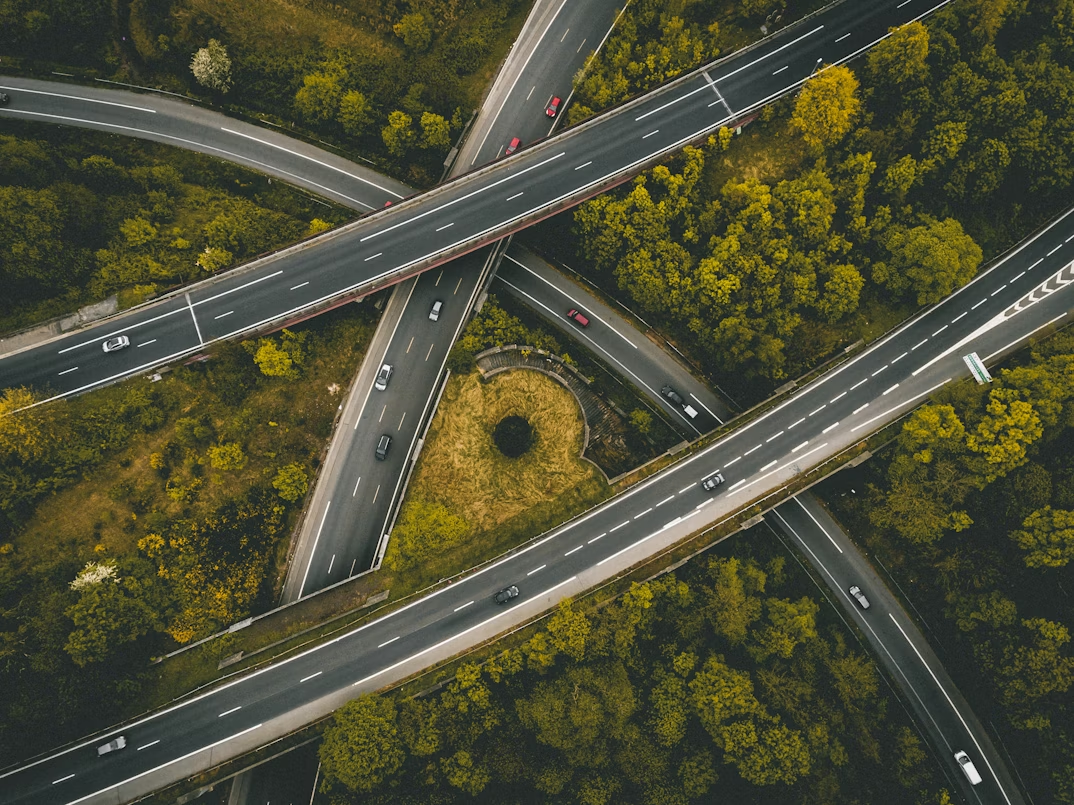
A guide to touring by passenger car. The photograph is illustrative.
Start with where you will drive
Use a main route to reach your accommodation, and save a narrow mountain road for a day when the drive itself is part of the outing. Before hiring, also establish who will drive: a valid licence, the hire company’s conditions and special restrictions for young drivers require separate checks.
What your route requires of the driver
Find a situation that applies to your trip, then read across to the action and its conditions. Select the situation name to reach the explanation below the table.
| Situation | What it means | What to do | Condition or limit |
|---|---|---|---|
| Hiring a car | Licence validity and the hire company’s acceptance are separate checks. | Prepare a licence and confirmed hire terms for every driver. | The company may require more driving experience or an additional document. |
| Main route towards the north | The Smokovac-Matesevo motorway covers part of the journey. | Check the onward route from the exit to your destination too. | One motorway section does not describe every road into the mountains. |
| Coast and town centres | Summer queues and the search for parking delay your arrival. | Choose a car park before entering the centre. | A navigation estimate does not include finding an available parking space. |
| The road over Sedlo | Passing an oncoming vehicle can be difficult on the narrow asphalt road. | Check that the road is open and drive in daylight. | The pass is not a reliable winter route. |
| Snow, ice or black ice | Equipment requirements depend on conditions and the current order for the road section. | Check the tyre type and tread depth. | A dry coast does not establish conditions on a high pass. |
| Motorway or Sozina tunnel | A toll is charged for each passage. | Include the return journey over the same section. | The passenger-car tariff does not cover every vehicle height or trailer combination. |
| Leaving Montenegro | The hire company’s permission and insurance serve different purposes. | Confirm every country on the route and obtain written permission. | Permission to cross a border does not include returning the car in another country. |
Documents and vehicle checks before departure
Bring a valid national driving licence for the appropriate vehicle category. An international driving permit accompanies your national licence, and whether you need one depends on the issuing country. Serbia’s Ministry of Foreign Affairs states that a valid Serbian licence does not require an international permit. For a UK-issued licence, UK Government guidance requires an international permit under the Vienna Convention. For a licence issued elsewhere, check the relevant consular guidance before departure.
Check hire conditions separately: tell the company the issuing country and the script used on your licence in advance. SIXT, for example, also requires an international permit for a licence written in a non-Latin script. In the same offer, confirm the required driving experience, accepted payment card and registration of every additional driver.
Alongside personal identification, prepare the vehicle registration document and insurance details. For a hire car, keep the agreement and the number of the service to which you must report a problem. If you are using someone else’s car, check the required owner’s authorisation and insurance coverage for the planned route before travelling.
At collection, inspect the tyres, glass and existing damage, then record the findings on the handover report and take photographs. Locate the reflective vest, warning triangle and first-aid kit. Arrange seasonal equipment before arrival.
Speed limits, young drivers and basic rules
Drive on the right. For an ordinary passenger car, the general limits are 50 km/h in built-up areas, 80 km/h on other roads outside built-up areas, 100 km/h on expressways and 130 km/h on motorways. Obey any lower limit shown on a sign for the section you are using. A narrow carriageway, a blind bend or rain may require a speed well below the permitted maximum.
Young drivers who have not reached their 24th birthday and novices with less than 12 months of driving experience have a maximum of 70 km/h, or 100 km/h on motorways. The lower of the driver-specific and road-specific limits applies to them. This also means 50 km/h in a built-up area unless signs establish a different permitted limit.
Drivers under 21 are also prohibited from driving between 00:00 and 05:00. If you are under 21, you may drive a category B car above 80 kW only under the supervision of someone in the vehicle who has held a valid category B licence for at least five years. That exception concerns vehicle power and does not remove the night-driving ban. A young driver should therefore check the offered car’s power and the planned collection time before hiring.
Use daytime running lights or dipped headlights during the day, do not hold a phone while driving, and ensure the driver and passengers wear seat belts. If you drive, do not drink alcohol. Any amount is prohibited for young and novice drivers.
A child under five must travel in a properly secured child seat. Children under 12 may not use the front seat, with a narrow exception: a child under three may travel in a secured rear-facing seat or infant carrier if there is no airbag in front of that seat or it is switched off. When booking a child seat, give the child’s age and size, then check that the child is properly strapped in before departure.
Main routes, the coast and mountain roads
Use the Smokovac-Matesevo motorway as a main link for part of the journey from Podgorica towards Kolasin. In the Bay of Kotor and around Budva, summer traffic affects journey time more than the short distances between towns. To visit an old town, choose a car park outside it in advance and complete the approach on foot.
The scenic Zabljak-Sedlo-Trsa-Pluzine route makes different demands: it is asphalted, but meeting another vehicle on a narrow stretch may require reversing to a passing place. Plan to drive through in daylight and allow for slow progress. Snow can close the high pass, and asphalt shown on a map does not confirm that the road is passable today. If your aim is simply to reach your accommodation, choose a main route confirmed as open instead of this scenic approach.
From 15 November to 1 April, when snow is falling or there is snow, ice or black ice on the carriageway, passenger cars must have winter tyres on all wheels. The minimum tread depth during that period is 4 mm. On sections covered by the current order, winter tyres may also be compulsory when the road is dry. Confirm equipment for your route with the hire company, and before each longer drive check roadworks, closures and road conditions with AMSCG on 19807. Use chains as conditions and signs require. They do not replace compulsory winter tyres.
Tolls and parking: include every passage
Monteput charges a standard category II passenger car €3.50 for one Smokovac-Matesevo passage and €2.50 for one passage through Sozina. Returning over the same section incurs another charge: €7 for both motorway passages or €5 for both Sozina passages. Fuel, parking and any ferry journey are separate costs.
Category II covers a two-axle vehicle that meets the operator’s height criteria: up to 1.3 m at the first axle, or up to 1.9 m in overall height with a maximum authorised mass of up to 3,500 kg. For a van, campervan or car with a trailer, check the category before calculating the cost. The motorway exit also matters: the Matesevo price does not apply to every shorter journey.
Read the parking sign for the zone, charging hours and maximum stay before leaving to explore. When paying by SMS, wait for confirmation showing the correct registration and zone. For customers without a Montenegrin phone number, the Herceg Novi parking service lists a digital or day ticket, or a payment station at designated car parks. In other towns, use a method listed at the particular parking location.
Car hire, insurance and crossing borders
Before booking, compare the full hire price including every mandatory surcharge. Check how much fuel the car will have at collection and how much must remain at return, the mileage allowance, and the return location and time in the offer. Ask for the deposit amount, how it is released and the excess you would pay for damage. The deposit is security that the company holds or blocks. The excess is your share of the damage cost under the agreed protection.
Motor third-party liability insurance covers damage caused to third parties. A Green Card is evidence of that insurance for international driving, but does not confirm coverage for damage to the hire car. For damage to the car itself, check the agreed protection, excess and exclusions, especially for tyres, glass, the underbody and driving on roads that are not permitted. Read roadside-assistance conditions and reporting procedures separately.
Before collecting the car, list every destination and transit country for the company and request written permission to leave Montenegro. SIXT, for example, explicitly requires it for cross-border use of its vehicles rented in Montenegro. Then check with the insurer or hire company which proof of insurance applies to the vehicle’s country of registration and every country on your route. Passengers’ documents and entry requirements for another country remain a separate check.
What to do after a breakdown or accident
If anyone is injured or there is immediate danger, call 112. The police can be reached on 122. State where you are, your direction of travel and whether anyone is injured. The road name, last exit, tunnel or coordinates help the service locate you. Follow the instructions you receive and do not expose yourself to traffic to take photographs.
For breakdowns and road information, AMSCG is available on 19807. Before arranging a tow, check what your roadside assistance covers and who must authorise the intervention. Do not assume a free service simply because you called the national motoring association: its published free towing coverage applies to vehicles registered in Montenegro. With a hire car, first contact the service named in the agreement when the situation allows such a call.
When it is safe, keep photographs of vehicle positions and damage, along with the other party’s details and insurance information. Notify the hire company and insurer and ask how to report the incident. Moving a vehicle, obtaining a police report and continuing to drive depend on the actual accident and the authorities’ instructions. Do not apply advice for minor property damage to an incident involving injuries.
Do I need a four-wheel-drive car for the north?
If your itinerary follows open asphalt roads to towns and accommodation, visiting the north alone is not a reason to insist on a 4×4. First ask your host about the final approach to the property: gravel or a steep access road can change your choice of vehicle. A larger car can make passing on a narrow stretch harder, while four-wheel drive neither permits use of a closed road nor replaces winter equipment.
When is the Kamenari-Lepetane ferry useful?
The ferry helps when you want to cross from the Herceg Novi side to the Tivat side or vice versa without driving around the inner bay. If you are visiting Perast and Kotor that day, the road around the bay may suit your itinerary better. Include the approach to the terminal, waiting, boarding and the onward journey after disembarking in your total travel time. For an early flight, check the current timetable and allow a buffer. A short crossing alone does not guarantee an earlier arrival.
Can I return a hire car in Dubrovnik?
Only with a specifically confirmed offer for collection in Montenegro and return in Croatia. Permission to take the car across the border does not itself authorise leaving it there. Before booking, request the exact drop-off location, total surcharge, opening hours and confirmation that the agreed protection remains valid until that handover. If such an offer is unavailable, plan to return to the agreed location in Montenegro and continue to Dubrovnik separately.
Choose a car for your route
Once you know your passenger numbers, luggage and road types, compare vehicles for your dates. Before confirming a booking, check the final approach to your accommodation, seasonal equipment and written terms for every border you plan to cross.
Search for cars in Montenegro