01Njeguški pršut and cheese
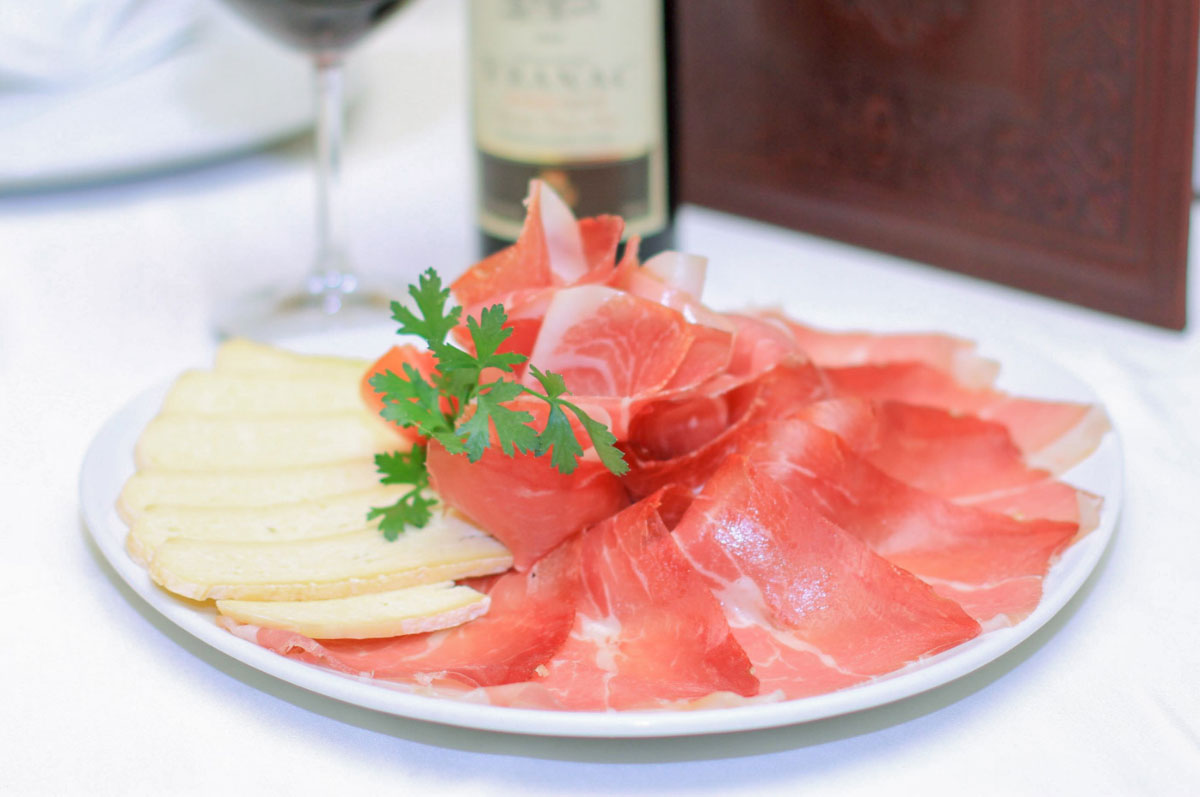
Protected pršut and mature cheese are the clearest food expression of the Cetinje area.
Njeguški pršut and cheese
Protected pršut and mature cheese are the clearest food expression of the Cetinje area.
How Njeguški pršut develops its flavor and texture
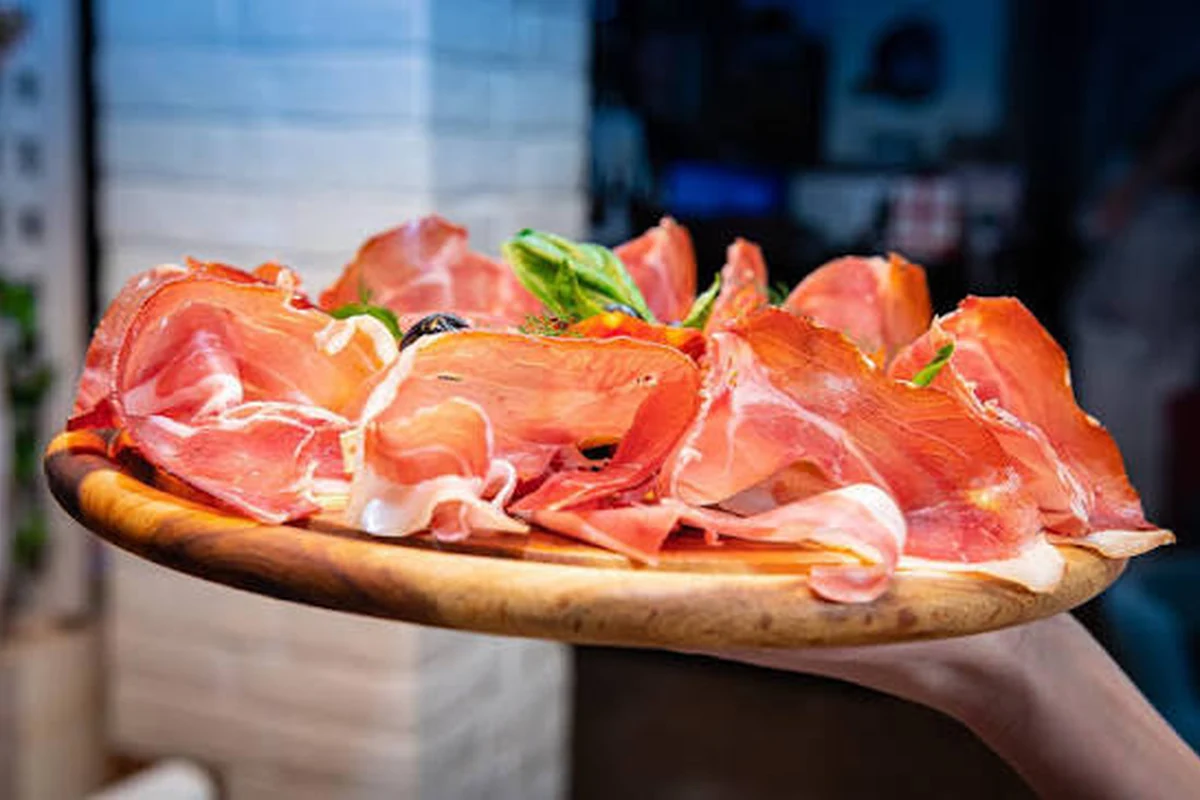
Njeguški pršut has protected geographical status and may be produced only within the defined area of Njeguši. A pork leg is salted with sea salt, slowly smoked over dry beechwood and matured for at least nine months. It is cut into thin slices with a pronounced salty and lightly smoky flavor. Njeguški cheese is a full-fat semi-hard or hard cheese matured in an airy, shaded place. Pršut and cheese are most often ordered together as a cold starter.
02Njeguška kobasica, košet and kastradina
These three cured-meat products differ in the meat used, seasoning and the way they are served.
Njeguška kobasica, košet and kastradina
These three cured-meat products differ in the meat used, seasoning and the way they are served.
Three very different cured-meat products
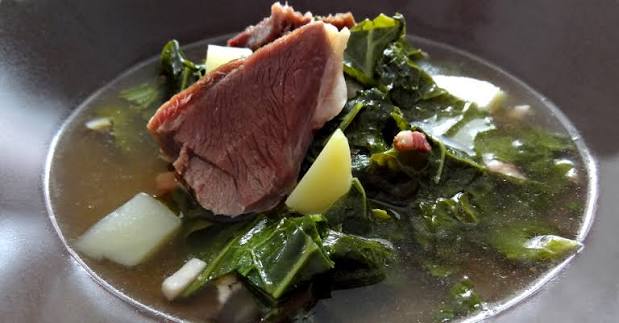
Njeguška kobasica is made from pork and firm back fat with salt, pepper, garlic and paprika, giving it a more strongly seasoned taste than pršut. Košet is a dried leg of mutton served in thin slices or briefly fried. Kastradina is dried mutton usually cooked with white cabbage and served as a hot, distinctly salty dish. Choose kobasica or košet for a cold starter and kastradina for a cooked main course.
03Lamb in milk and meat cooked under a sač
Cooking in milk gives lamb a gentler taste, while a sač produces slow-roasted meat and potatoes.
Lamb in milk and meat cooked under a sač
Cooking in milk gives lamb a gentler taste, while a sač produces slow-roasted meat and potatoes.
Two ways Cetinje menus serve lamb
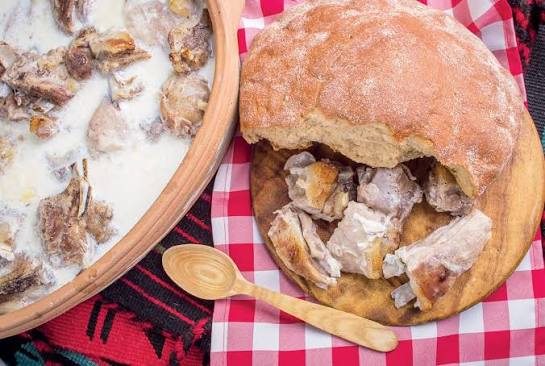
Cetinje menus may offer lamb cooked in milk or roasted under a sač. Milk gives the meat a gentler taste and softer texture. Lamb or veal cooked under a metal lid covered with hot embers roasts slowly with potatoes and develops a browned surface and richer flavor. The first suits a milder lunch, while the second makes a more substantial meat-and-potato meal.
04Fish from Lake Skadar
Carp, eel and bleak connect Cetinje with the lakeside part of its territory.
Fish from Lake Skadar
Carp, eel and bleak connect Cetinje with the lakeside part of its territory.
Carp, eel and bleak on the Cetinje table
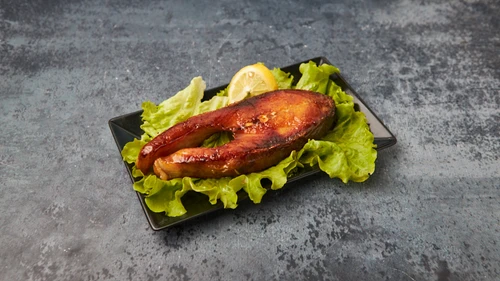
Rijeka Crnojevića and the lakeside settlements of the Old Royal Capital connect Cetinje with the cooking of Lake Skadar. Carp is roasted, marinated or cooked with onions and may also appear with dried fruit. Eel is fattier and more intense, while small bleak are generally fried, dried or marinated. Roasted carp and eel work as main dishes, while marinated carp or bleak can begin the meal.
05Kačamak, cicvara and raštan
Kačamak and cicvara rely on dairy products, while raštan is usually cooked with potatoes and cured meat.
Kačamak, cicvara and raštan
Kačamak and cicvara rely on dairy products, while raštan is usually cooked with potatoes and cured meat.
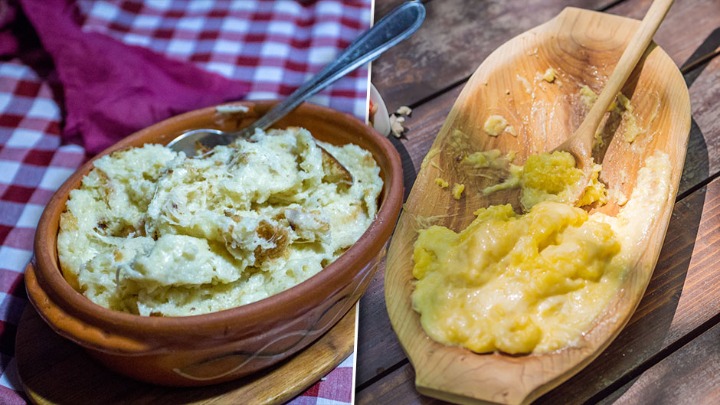
Mountain dishes found on Cetinje menus
Kačamak and cicvara are widely served in Cetinje but belong to Montenegro's broader mountain cuisine. Smočani kačamak combines potatoes or cornmeal with cheese and kajmak, while cicvara is softer and relies even more heavily on cheese, butter and dairy. Both are made without meat but are not vegan. Raštan is usually cooked with potatoes and cured meat and should be treated as a separate cooked dish.
06Priganice, pogača and honey
Fried dough, homemade bread and honey are familiar parts of a simple traditional breakfast.
Priganice, pogača and honey
Fried dough, homemade bread and honey are familiar parts of a simple traditional breakfast.
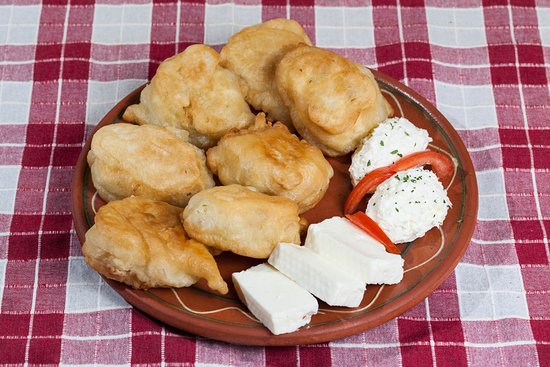
From a savory breakfast to honey and priganice
Priganice are small pieces of fried dough served while warm. Cheese or kajmak makes a savory plate, while honey or jam turns them into a sweet one. Homemade pogača accompanies cured meats, cooked dishes and cheese. Forest and meadow honey from the Cetinje area is often served with warm priganice for a simple breakfast.
07Wine, rakija and traditional coffee
Vranac and Krstač suit different dishes, while rakija and coffee are served at different points in the meal.
Wine, rakija and traditional coffee
Vranac and Krstač suit different dishes, while rakija and coffee are served at different points in the meal.
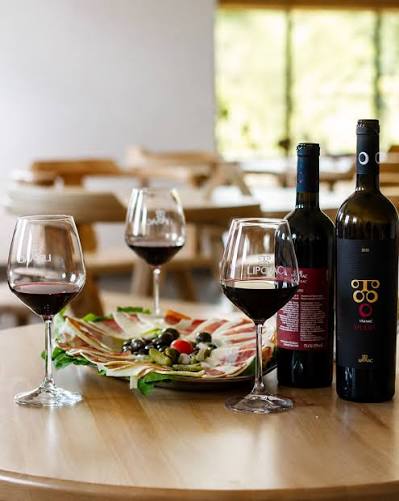
Which drink belongs with each part of the meal
Vranac is a full-bodied red wine often served with pršut, kastradina and richer meat dishes. The fresher white Krstač pairs with Lake Skadar fish and milder starters. Grape rakija is served in a small glass before or after the meal, while traditional coffee is unfiltered and leaves grounds at the bottom of the cup. These drinks belong to the wider Montenegrin tradition and complete a local meal in Cetinje.
08Cetinje market and seasonal shopping
Balšića Pazar is the practical place to look for local products and seasonal produce.
Cetinje market and seasonal shopping
Balšića Pazar is the practical place to look for local products and seasonal produce.
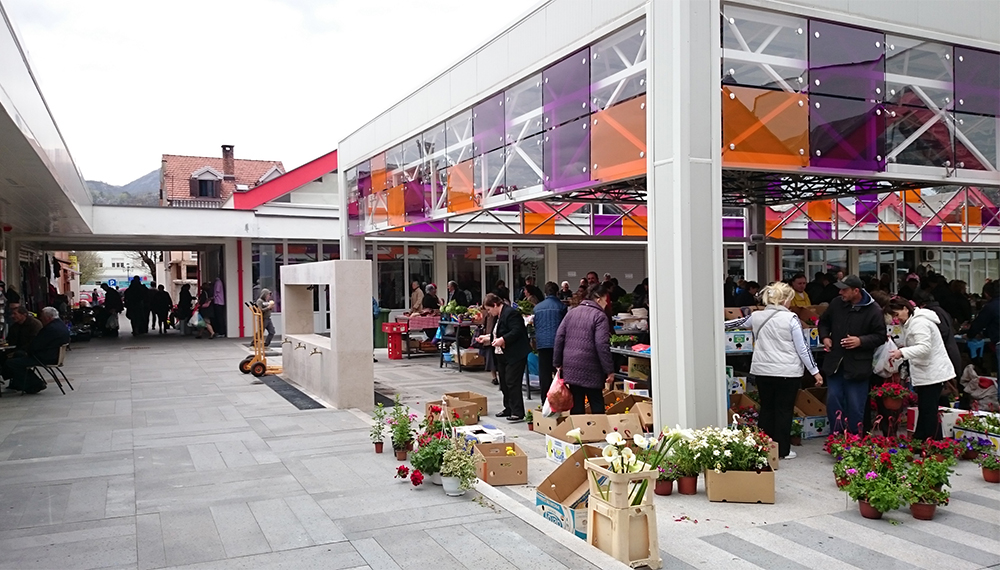
What to look for at Cetinje's green market
The green market at Balšića Pazar brings together sellers of homemade cheese, honey, cured meats and seasonal fruit and vegetables. In the warmer part of the year, start with the fresh produce stalls and look for cheese, honey and cured meat among the regular vendors. Choose suitable packaging for cheese and meat that will travel with you and ask how each product should be stored.
Before booking, compare the rental price, deposit rules, luggage space, and exact pickup location.
Njeguši pršut is a protected product, kastradina an old cooked dish of dried mutton, and kačamak and cicvara substantial dishes built around dairy ingredients.
The name applies to pršut produced in the Njeguši area according to the prescribed curing and maturing method.
It is usually cooked with white cabbage and becomes a warming, robust meal for the colder part of the year.
Cheese, kajmak and butter provide most of the flavor, so these dishes are not suitable for a vegan diet.
How to build a Cetinje meal
One meal can connect a product from Njeguši, a hot dish from the mountain or lake cuisine and a simple finish of priganice or traditional coffee.
This cold starter gives the clearest taste of the Cetinje area and leaves room for a cooked or roasted main course.
Kastradina with cabbage is cooked and distinctly salty, while meat under a sač comes roasted with potatoes.
Carp, eel and bleak differ in richness and preparation, so choose according to whether you want roasted, marinated or fried fish.
Priganice with honey make a sweet finish, while traditional coffee is served unfiltered in a small cup.
Current examples of food prices in Cetinje
The type of meat, the size of a cold platter and the choice of fish make the biggest difference to the bill in Cetinje. These examples help estimate the cost per person before ordering.
Priganice with cheese and honey cost about €4.40. Breakfast with eggs, cheese, pršut or sausage generally costs €5.50 to €8.
A portion of local pršut costs about €10, while a mixed Montenegrin platter with pršut, cheese and kajmak is about €15.
Marinated carp costs about €15, while a stuffed meat dish with pršut, cheese and kajmak is roughly €16.50.
Pancakes cost about €4.50, while a slice of house cake or krempita is roughly €5.50.