
Local habits in Montenegro
An invitation for coffee, a stay with a host and a public celebration bring people together in different ways. Podgorica's dojc, seasonal work at one household, village moba and Fasinada in Perast show how conversation, shared work and ceremonial roles shape these encounters.
Four different social situations
- Coffee
- Podgorica's dojc and meeting up for coffee
- Household
- Seasonal work and what the visit includes
- Moba
- Helping with a shared task
- Fasinada
- Ritual boats and spectators on the shore
A personal invitation, an arranged visit and a public custom
A personal invitation to a friend or acquaintance's home is about spending time together. For a tourist visit to a rural household, you also need to agree on what the visit includes. An overnight stay, conversation with the hosts, a knitting demonstration and taking part in work can be different parts of a visit, so ask which of them the hosts can include during your stay.
At a moba, neighbours gather to get a job done. At Fasinada, people in the boats carry stones as part of a ceremony, while spectators watch from the shore. Knowing who is gathering and why helps explain each encounter better than assuming that one Montenegrin pace of life or rule of behaviour applies everywhere.
01Podgorica's dojc and time to talk
Podgorica's dojc and time to talk
Dojc is the Podgorica name for a long espresso with milk. In a TV Vijesti report, cafe proprietor Zeljko Kontic describes coffee that people take their time drinking. In the same report, writer Balsa Brkovic tells a story about the name's origin in which friends come to chat and other guests then ask for the same coffee.
In that story, ordering the same coffee becomes a shared habit among people who are already gathering to talk. You can therefore understand an invitation for dojc as a suggestion to sit down and talk, without assuming that one cup determines how long you will stay.
02Visiting a host and joining in with rural work
Visiting a host and joining in with rural work
The association of rural households in Montenegro invites interested guests to join in with work such as gathering hay, picking fruit and making preserves for winter. Working together can then become a way to socialise. In its description of responsible travel, the association stresses that farm work depends on the weather and that the family must get it done when it is needed.
The Bozovic household near Berane provides a concrete example. Its published calendar lists preparing hay for winter in June and July, from mowing and drying to baling and taking it into storage. From December to March, the same calendar describes demonstrations of knitting woollen socks, hats, gloves and scarves.
When arranging a visit, say whether you would like to watch, learn or help, then ask what is possible during your visit and what the offer includes.
03Moba brings people together for shared work
Moba brings people together for shared work
Moba is a gathering to help with a substantial job. The National Tourism Organisation describes neighbours coming to one property to help build a house, mow, make hay or harvest crops. Preparing food and refreshments for those doing the work is also part of such a gathering. Socialising and getting the work done are part of the same event.
The same account says that moba is less common today and takes place occasionally in some villages. You should therefore not expect every rural stay to include it in a regular programme. If your host mentions a moba, ask what the job is and whether you are being invited to take part. A guest joining an agreed tourist activity and neighbours helping one another in a moba have different reasons for taking part, even when the work is similar.
04Fasinada and the difference between participants and spectators
Fasinada and the difference between participants and spectators
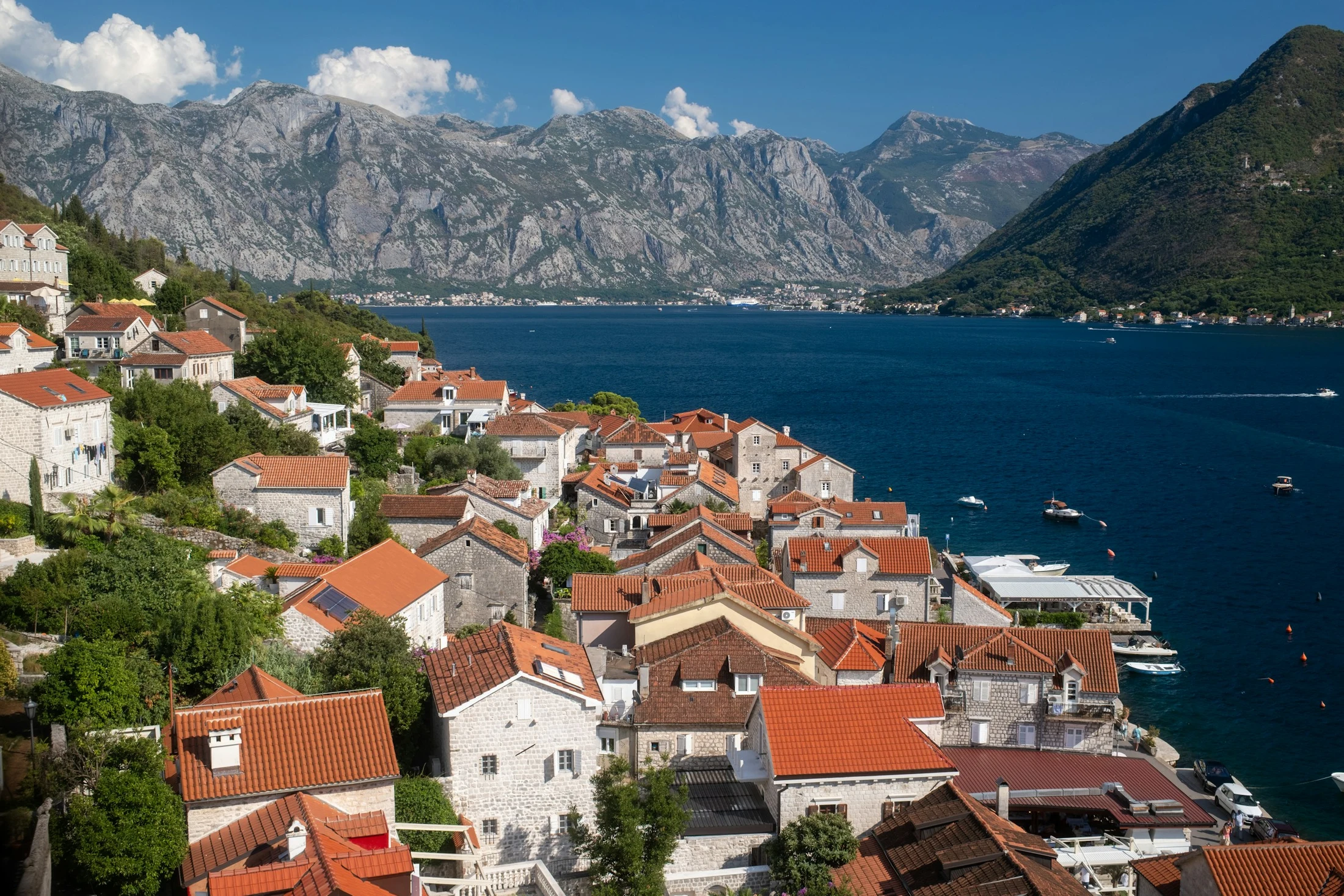
In Perast's Fasinada, those aboard the boats bring stones to the island of Gospa od Skrpjela as part of their ceremonial role. Kotor Municipality describes decorated boats circling the island and unloading the stones along its shore. The procession traditionally takes place on 22 July to mark the day when, according to local legend, an image of the Virgin Mary was found on a rock.
In the National Tourism Organisation's account, the boats are linked together and set off at sunset. The NTO names religious representatives, male heirs of famous sailors, and respected Perast residents among those aboard, while women greet them from the shore.
To watch the procession, check the organiser's announcement for the year of your visit, particularly the gathering point and access to the shore. The description explains who has a ritual role, but does not establish whether a visitor can board a boat.
Questions about social situations during your visit
Can I plan to speak English with rural hosts?
It depends on the household. The Bozovic profile lists English among the languages in use, while the profile of the Jokic household at Vujov Katun near Cakor says that no foreign languages are used. If conversation is an important part of your visit, agree in advance which language you will speak and who will be with you at the time.
Should I budget for a fixed tipping percentage?
In Montenegro Hostel's practical advice, tipping is described as optional, with rounding up the bill given as one way to show appreciation for service you are happy with. That advice does not set a single percentage. If you want to leave a tip, clearly state the total you are paying and how much you are leaving for the person who served you.
What should I do if I want to photograph the inside of a church?
In its practical advice, Montenegro Hostel recommends asking permission to take photographs, especially in a church. Ask the person responsible for visitors for permission to photograph the interior and follow their instructions for that church and the time of your visit.
More stories about life in Montenegro
Continue with everyday life, food culture and choosing a setting for a longer stay.
Planning a longer stay in Montenegro
Choosing a setting for a longer stay and the difference between one base and time spent in several areas.Daily life in Montenegro
Shopping, getting around town, walking and cultural programmes as different sides of everyday life.Food culture in Montenegro
Regional dishes and ingredients, preparation methods and the difference between a meal, a tasting and a producer visit.For accommodation, transport and other travel arrangements, open the relevant guide.
Continue with city guides and stories
Podgorica
Open the city guide
Tivat
Open the city guide
Zabljak
Open the city guide
Herceg Novi
Open the city guideLocal stories from these cities
Continue planning where to go, how to get there and what to do during your trip. If you are planning to visit a household or an event outside the place where you are staying, compare car hire offers with those journeys in mind.
