
Kotor and Perast by car from Tivat
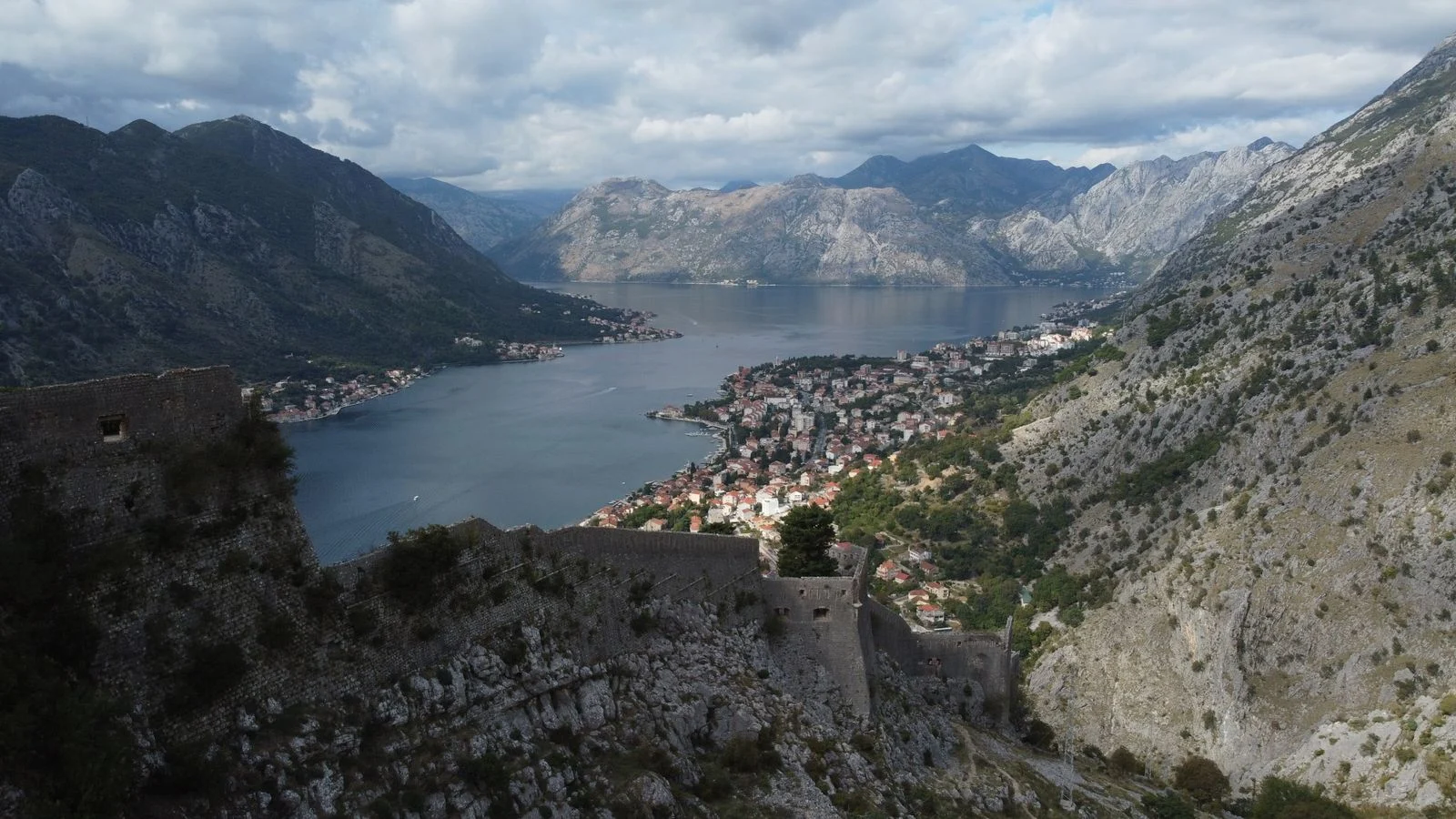
Beyond Vrmac, close to Tivat, Kotor’s city walls climb from the waterfront to Saint John’s Fortress. From that height, the view takes in the Old Town, the harbor and the bay surrounded by mountains. Along the same shore in Perast, captains’ palaces and preserved objects from ships bear witness to a time when seafaring families shaped the appearance of the Bay of Kotor.
Trip overview
- Trip duration
- 10 to 11 hours
- Number of stops
- 5
- Route distance
- About 60 km
Why set aside a day for this trip
With Kotor so close to Tivat, you can spend most of the day exploring rather than driving. It is worth setting aside a day for the fortress view that cannot be seen from the waterfront, followed by a closer look at maritime heritage inside a palace in Perast. A few kilometers farther on in Risan, Roman mosaics reveal an older Bay of Kotor, from before its medieval towns and captains’ houses.
Trip and costs at a glance
| Trip duration | 10 to 11 hours |
|---|---|
| Transport | Car required · rental offers |
| Sights on this trip | |
| Fuel consumption | Estimated 5 to 6 liters |
| Tolls | No charge |
| Admission costs | City walls 15 € per person · Perast Town Museum 8 € per person · Roman mosaics 6 € per person |
| Navigation | Open the complete route for navigation |
Map and navigation

Route, visits and breaks
Plan the full program with both museums between April 15 and October 15, when they are open until 8 pm. The durations include the climb and descent, visits, lunch, access walks and a half-hour buffer.
01From Tivat to Kotor and Saint John’s Fortress
25 min driving · 20 min for parking and access · 2 h 15 min for the climb, view and descent
Leave Tivat in the morning and drive through the Vrmac Tunnel to Benovo parking in Kotor. Open the prepared navigation route. It takes you to the parking area rather than the fortress. Allow about 25 minutes of driving for this first stretch, plus 20 minutes to park and walk to the start of the visit. Leave the car at Benovo for both visits in Kotor.
Cross the Skurda and enter the Old Town through the North Gate, then walk to the Parilo entrance just behind the Collegiate Church of Saint Mary. The stepped climb to Our Lady of Health and Saint John’s Fortress begins here. Allow about two hours and 15 minutes for the full climb, a rest at the top and the descent. Once down, return to the town’s streets without going back to the car before the next walk.
Admission to the city walls costs 15 € for an adult. The regular published visiting season runs from March to November. Under the winter arrangements, the ticket booths are closed and the operator states that visitors climb at their own risk. A morning visit is particularly useful in summer, when the hot stone steps make the climb harder.
02Kotor’s squares after the fortress descent
1 h 30 min for the squares and a break
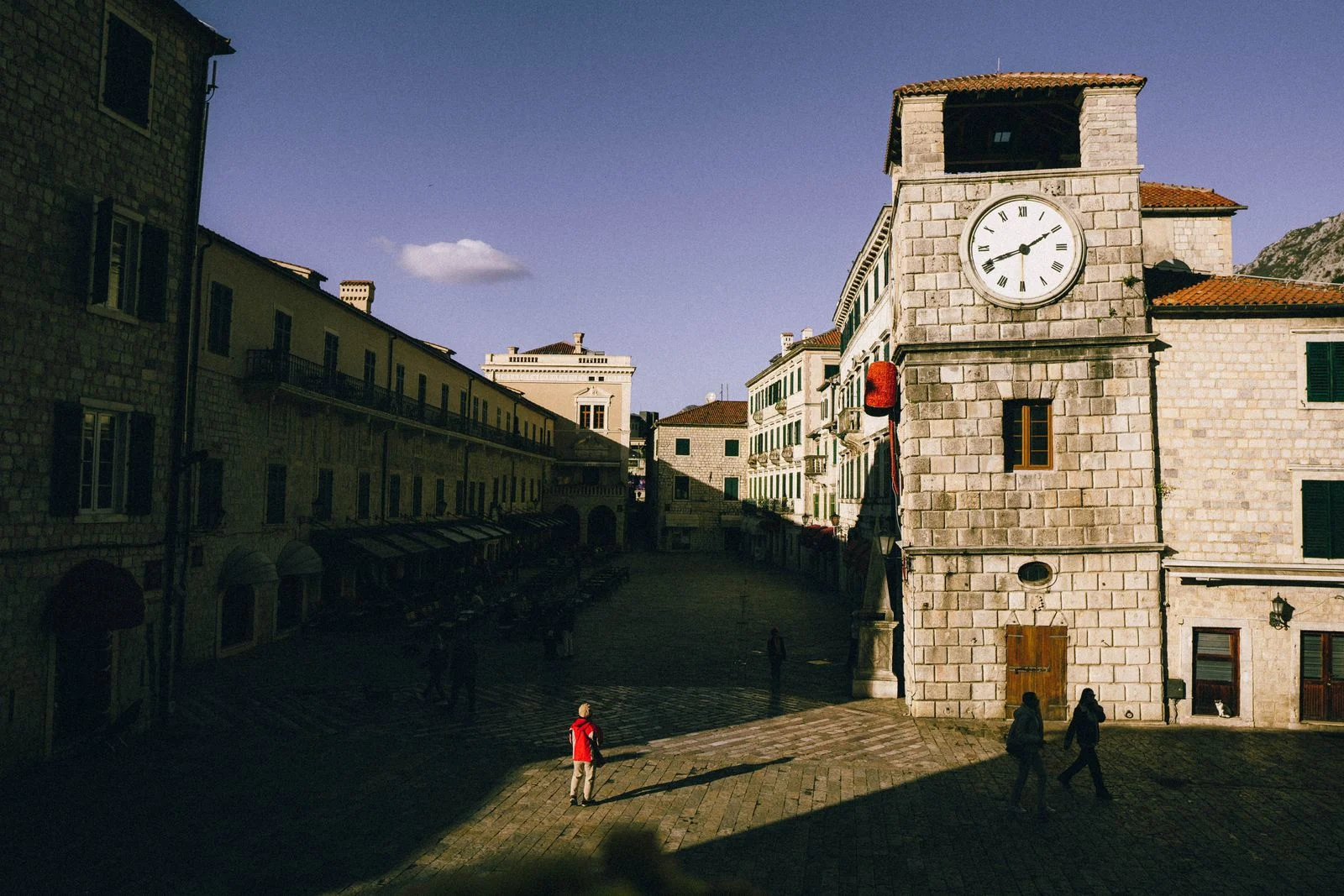
After the descent, walk to Saint Luke’s Square, then continue to Saint Tryphon’s Square and the cathedral. The main visit takes in the square and the cathedral’s facade, followed by Pima Palace on Flour Square and the Clock Tower on the Square of Arms. Allow about an hour and a half for the walk, sightseeing and a short break.
A visit inside the cathedral is optional and depends on tourist admission being available. This entry is not included in the costs shown, so check the price at the entrance. From the Square of Arms, return to Benovo and the car, then continue toward Perast.
03The coastal drive to Perast and a museum visit
35 min driving · 20 min for parking and access · 1 h 30 min for Perast and the museum
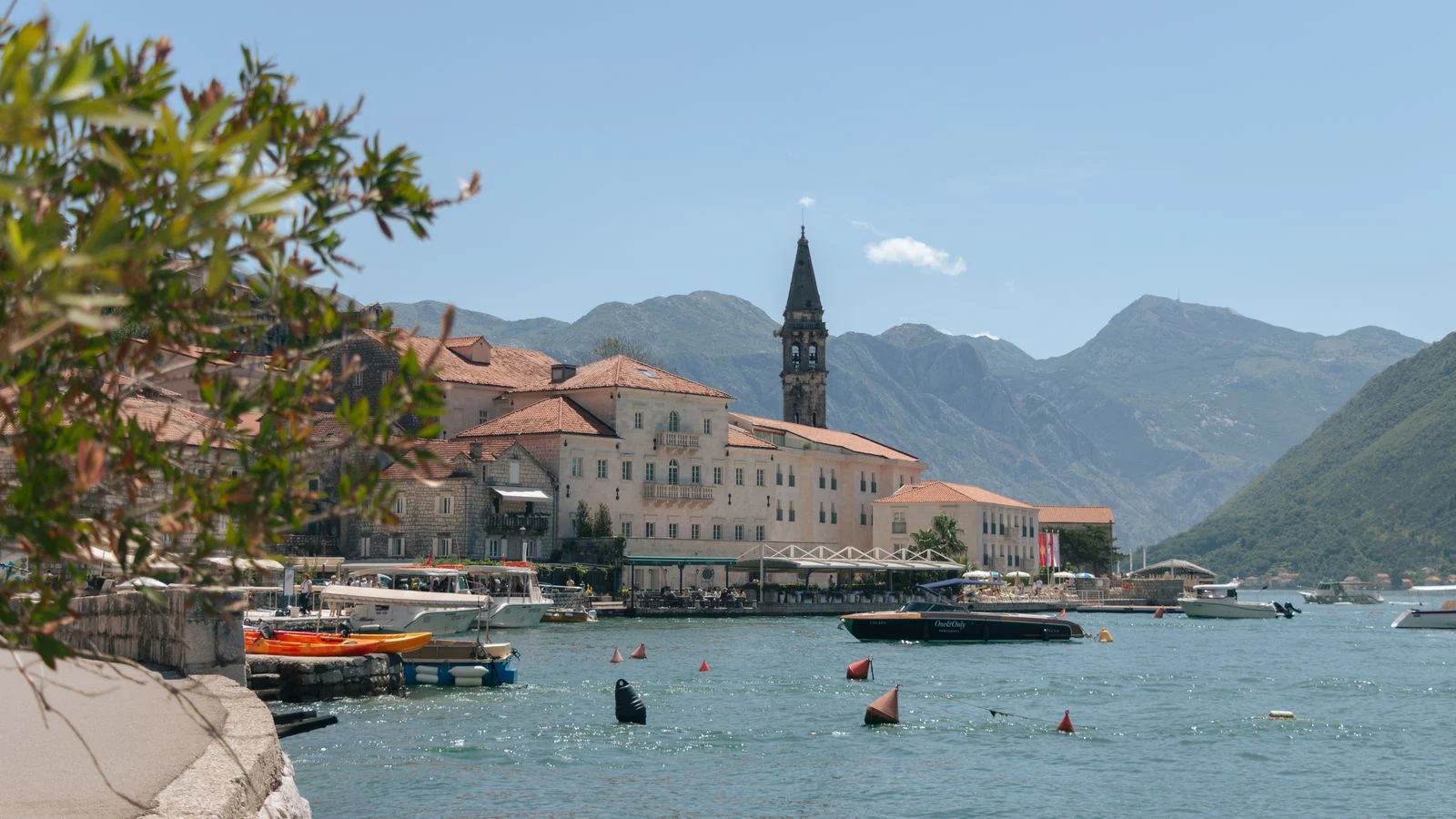
From Benovo, continue toward Dobrota and follow the coast to the eastern entrance to Perast. Allow about 35 minutes for the drive. Leave the car in the parking area at the town’s entrance before continuing along the waterfront on foot. Another 20 minutes covers parking, the walk to the shore and the later return to the car. During the seasonal traffic ban, the parking waypoint does not give you access to drive through Perast.
Allow about an hour and a half for Perast. Spend roughly half that time walking along the waterfront, looking at the palaces and visiting the square with Saint Nicholas’s bell tower. Leave the other half for Perast Town Museum in Bujovic Palace. In the collection, look at captains’ portraits, nautical instruments and the model of the sailing ship Adriana. View the islands of Our Lady of the Rocks and Saint George from the mainland.
An individual museum ticket costs 8 € for an adult. A combined ticket for this museum and the Roman mosaics in Risan costs 12 €, instead of a total of 14 € for separate admissions. Both sites are closed on Mondays, throughout January and on certain holidays. The current museum hours and tickets will help you choose a day for both collections.
04Lunch on Perast’s waterfront
1 h 15 min for lunch and a rest
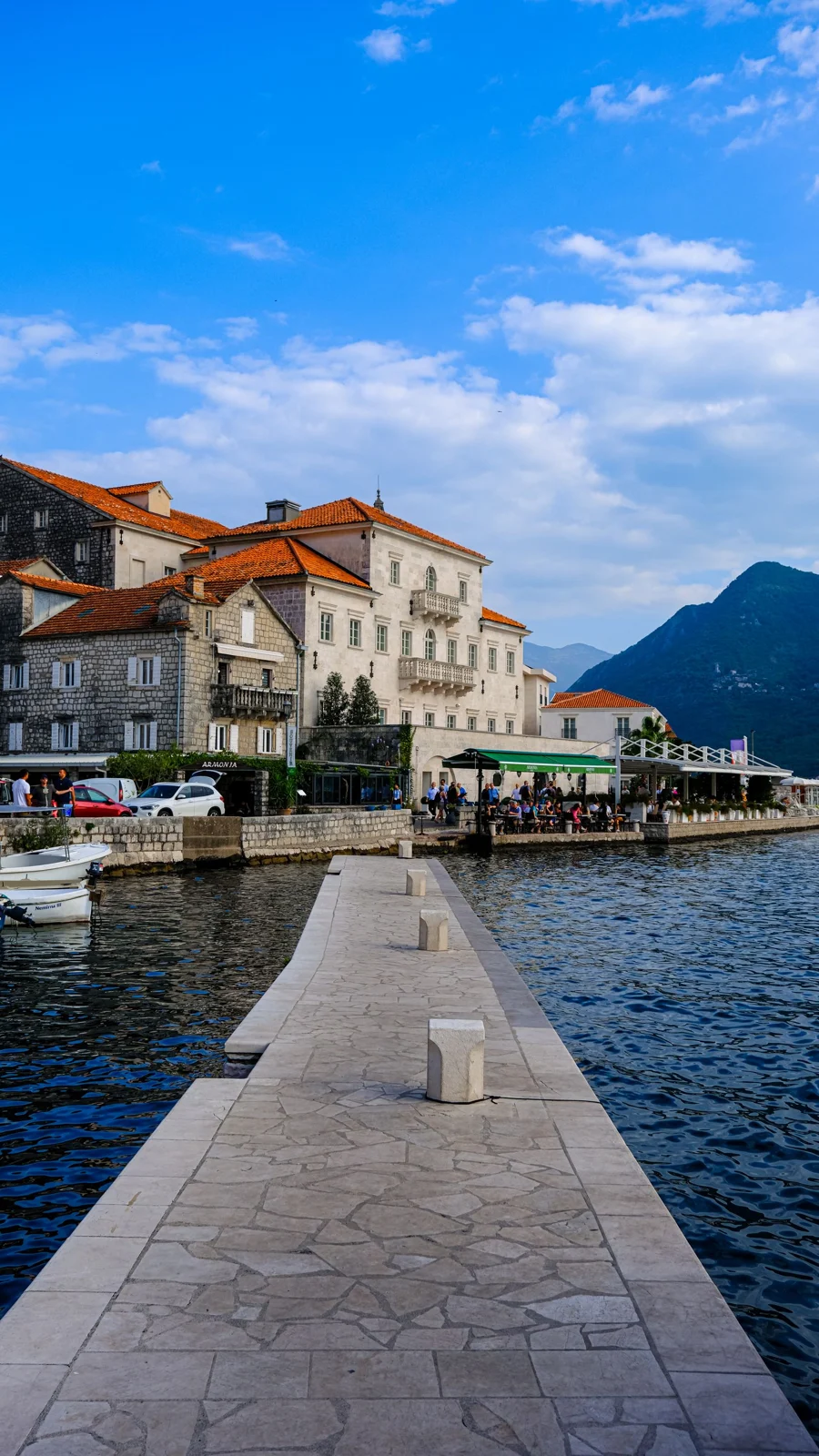
For lunch, walk back along the waterfront to Armonia restaurant. It is in Perast itself, with a terrace facing the islands of Our Lady of the Rocks and Saint George. The restaurant serves local cuisine, fish and seafood.
Allow about an hour and 15 minutes for the meal and a rest after the morning climb and town visits. If you want a table by the water in season, the restaurant accepts advance reservations. After the break, return to the same parking area at the entrance to Perast and continue toward Risan.
05A short drive onward to the Roman mosaics in Risan
15 min driving · 10 min for parking and access · 45 min for the mosaics
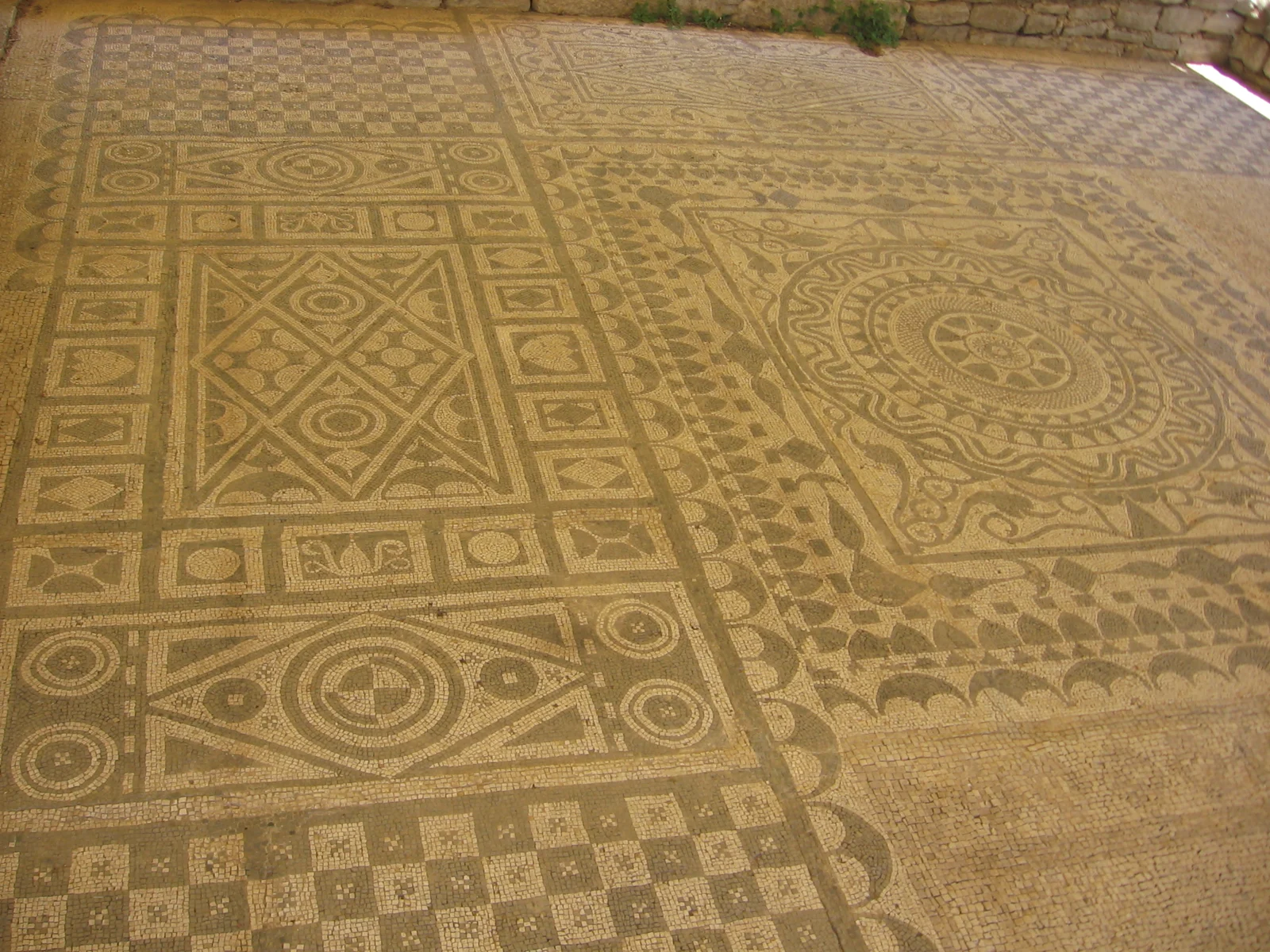
Allow about 15 minutes to drive from Perast to Risan. For navigation, choose the segment ending at the parking area beside the Roman mosaics, without driving into the archaeological site. The parking area is immediately beside the site. Allow about 10 minutes for parking and returning to the car.
The visit takes approximately 45 minutes. First look at the layout of the villa’s former rooms, then at the floors with geometric and plant motifs. Spend a little longer at the mosaic of Hypnos, the god of sleep, depicted in the central medallion.
An individual ticket costs 6 € for an adult. If you bought the combined museum ticket in Perast, it covers this visit too. Afterward, return to the car for the drive back to Tivat by land.
06Returning to Tivat via Kotor
About 1 h driving
From Risan, return along the coast through Perast and Kotor, then take the Vrmac Tunnel to Tivat. The prepared navigation route keeps Kotor as a waypoint so that the return does not switch to the Kamenari-Lepetane ferry. Allow about an hour of driving for this final stretch.
The whole trip, including the full climb and descent, town and museum visits, lunch, parking and a time buffer, takes approximately 11 hours. This includes about two hours and 15 minutes of driving and an extra half hour as a buffer. Summer traffic queues around Kotor can extend the return beyond this estimate.
Trip highlights
01Saint John’s Fortress and the town’s defenses from above
Saint John’s Fortress, also known as San Giovanni, stands about 260 meters above sea level. The walls running up the slope from the town show how closely Kotor’s defenses were tied to the approaches between the mountains and the bay. From above, it becomes clear why the fortifications encompass both the town’s streets and the difficult terrain above them.
Kotor’s defensive system was expanded over several centuries, from the early Middle Ages through later fortification work. Its roughly four and a half kilometers of walls are not the length of this walking climb. That figure describes the extent of the defenses around the whole town, including towers, bastions and the mountain section.
The climb passes the Church of Our Lady of Health below the upper fortress. On the lower part of the route, you can make out rooftops and blocks of buildings, while higher ground opens up a broader view of the Bay of Kotor and the surrounding slopes. At the top, take time to look back along the line of walls you have climbed.
02Kotor Old Town through its squares, palaces and churches
Kotor is a historic port town whose protected center survives within the city walls. The Natural and Culturo-Historical Region of Kotor was added to the UNESCO World Heritage List in 1979. Its value extends beyond individual buildings. The town’s urban areas, settlements and palaces are connected to the bay and its steep mountain slopes. The fortress view and a walk through the streets therefore reveal different parts of the same heritage.
On the Square of Arms, the Clock Tower marks what was one of the town’s important public spaces. Construction began in 1602, and its appearance changed after earthquakes. The stone pyramid at its base recalls the former pillory, used for public punishment. On Flour Square, Pima Palace shows another side of Kotor, with family homes distinguished by decorated doorways and spacious balconies. The family coat of arms sits above its entrance, and the long balcony rests on stone supports.
Saint Tryphon’s Cathedral was completed and consecrated in 1166 on the site of an earlier church dedicated to the town’s patron saint. Its facade combines Romanesque origins with later changes, particularly the bell towers rebuilt after the earthquake of 1667. The Church of Saint Luke dates from 1195. In the 17th century it was handed over to Orthodox worshipers, while Catholics retained the right to their own altar.
03Perast, seafaring families and objects from their homes
Perast grew as a maritime settlement beside the Verige Strait, at a strategic point in the Bay of Kotor. Unlike Kotor, it was not enclosed by a complete set of town walls. Its defenses consisted of towers and the Fortress of the Holy Cross, while captains’ families built palaces along the shore. Today, a waterfront walk lets you examine their stone doorways, balconies and coats of arms up close.
Perast Town Museum occupies Bujovic Palace, built in 1694. Vicko Bujovic was a seafarer and warrior who was elected captain of Perast several times. His portrait by Tripo Kokolja connects the house you visit to the man it is named after. The palace’s grandeur becomes easier to understand when you see it alongside the belongings of people who earned their living at sea and served the Republic of Venice.
The collection grew through gifts from Perast’s families. The captains’ salon holds portraits and nautical instruments, while the model of Adriana represents the last ship in the Perast fleet. The Women’s Room tells a different story through young women’s chests, clothing, photographs and needlework. Alongside the town’s maritime reputation, you discover the lives of its households.
04The Roman mosaics in Risan and a second-century villa
The Roman mosaics in Risan are part of the remains of a town villa from the second century AD. Its rooms were arranged around a central space and a corridor. The surviving floors let you connect your idea of a Roman house to an actual floor plan, rather than seeing antiquity only through individual museum objects.
The most recognizable image is Hypnos, the god of sleep, in the central medallion of one floor. He is shown as a semi-reclining young man with crossed legs and folded wings behind his shoulders. The human figure sets this room apart from the others, where geometric and plant motifs dominate.
Look at how circles, diamonds and triangles repeat alongside rosettes and stylized leaves. In one floor, a stylized plant design is made from white, green, blue, red and black cubes. The different motifs help you recognize the boundaries of the rooms and the variety of their decoration. After Kotor’s walls and Perast’s palaces, these floors offer a close encounter with the ancient decoration of a home in the Bay of Kotor.
Questions before exploring the Bay of Kotor from Tivat
Can this trip from Tivat be completed in one day?
Yes, with a full day of approximately 11 hours and a morning departure. Allow extra time beyond the estimate for summer traffic, especially if you have a flight or another commitment at a fixed time that day.
How demanding is the climb to Saint John’s Fortress?
The climb follows stone steps to about 260 m above sea level and includes the descent. If long flights of steps are difficult for you, you can stay in the Old Town and continue with the rest of the route. The Church of Our Lady of Health can be an earlier turnaround point, though reaching it still involves an uphill walk.
Can you visit Perast without a boat or driving into the center?
Yes. The palaces, the square with its bell tower and the town museum are on the mainland. From the parking area at the entrance, continue on foot, with both islands visible from the waterfront. The seasonal restrictions on traffic through the town do not prevent this kind of visit. Visiting Our Lady of the Rocks island would require a separate boat trip and is not part of this driving route.
More day trips from Tivat
Herceg Novi and Savina Monastery by car from Tivat
Take the ferry to Andrić’s house, Herceg Novi’s fortresses and stone squares. After lunch overlooking the Bay of Kotor, finish among the churches and greenery of Savina Monastery.Budva, Miločer and Sveti Stefan by car from Tivat
From Praskvica Monastery and the royal park to the shore at Sveti Stefan. After lunch come Mogren, Budva’s streets, the museum, Citadel and town walls.Ostrog by car from Tivat: via Grahovo and Carev Most to the monastery
A full day from Tivat via the Bay of Kotor and Grahovo: Carev Most, lunch at Sokoline, Lower and Upper Ostrog, walks to the monasteries and the return drive.Luštica by car from Tivat: Rose, Žanjice and Luštica Bay
Explore the stone waterfronts of Bjelila and Rose, take a break at Žanjice and have lunch in Mirište. This trip through Solila and Luštica's villages ends with a walk along the Luštica Bay marina.Cetinje, Lovćen and the cable car: a day trip by car from Tivat
The climb from the Bay of Kotor leads to Njegoš's Birth House, King Nikola's Palace and Lovćen. After the mausoleum, take the cable car down from Kuk toward the bay, then return to collect your car.Choose the next topic according to whether you need arrival, parking, accommodation, food or a trip beyond town.
Guides to day trips and stays in nearby towns
Kotor
Open the city guide
Herceg Novi
Open the city guide
Igalo
Open the city guide
Cetinje
Open the city guide
Budva
Open the city guide
Petrovac
Open the city guide
Podgorica
Open the city guide
Bar
Open the city guide
Ulcinj
Open the city guide
Zabljak
Open the city guideDrives and day trips from nearby destinations
The Montenegro guide links Tivat with other towns in Boka, the rest of the coast and the mountain regions.
