
Everyday Life in Podgorica
In Podgorica, an invitation for coffee often means time together that lasts beyond the coffee itself, and evenings out are not reserved for the weekend. Getting to know the city also means understanding these habits, including how people meet, use public spaces, and go about their everyday responsibilities.

Everyday Life at a Glance
- Socializing
- Coffee during the workday, too
- Evenings out
- On weekdays, too
- Sunday shopping
- Most stores are closed
Get to Know the City You Are Staying In
A busy cafe in the middle of a workday does not necessarily mean its customers have no responsibilities, as people downtown also come for coffee during an office break. Likewise, a city's wooded park is more than a sightseeing destination. Residents return to Gorica, the hill and wooded park near downtown, to walk, work out, or take their dogs out.
Getting to know this side of life does not require a special sightseeing program. Shopping can mean picking up everyday supplies in your neighborhood or browsing shops while out for a walk, and evening get-togethers also happen during the workweek. One difference does call for advance planning. Regular stores are closed on Sundays, so you will need to buy supplies for that day beforehand.
01Coffee and socialising
Coffee and socialising
Going for coffee in Podgorica often means making time to sit and talk, rather than simply ordering a drink. Cafes are places to meet friends and colleagues, so socializing over coffee is also part of an ordinary workday. People may stay at the table after their cups are empty, since the conversation matters more than finishing the coffee quickly. Visitors used to drinking an espresso on the go will recognize a different way of spending time together here.
In this context, you may also hear an invitation for a “dojc.” This is Podgorica's term for a long espresso with milk, and an invitation for one has also become a way of suggesting time together over coffee. If your host invites you for a “dojc,” they are talking about both the order and the time they want to spend with you.
02Shopping
Shopping
Everyday shopping in Podgorica does not depend on going to a market. Grocery stores and supermarkets are also found in residential neighborhoods, so you can buy groceries and everyday essentials for your apartment in the area where you are staying. A market can supplement this shopping, especially when you want to choose fresh food from individual vendors.
Clothes, shoes, and household goods are sold both in shops around town and in shopping malls. Buying clothes downtown can also be part of a social outing, with visits to stores combined with a walk and a cafe break.
Hercegovacka is an example of how shopping fits into time spent downtown. Clothing and shoe stores are located along the pedestrian street, alongside cafes, so browsing the shops does not require a separate trip away from the walking area. If you are planning this kind of shopping, the day of the week matters too, as regular stores and supermarkets are closed on Sundays. The exceptions are explained at the end of the article.
03Life in the city
Life in the city
In Podgorica, a walk downtown and everyday journeys between neighborhoods are different experiences. Pedestrian streets are used for meeting people, visiting shops, and spending time in cafes and bars. On other streets, pedestrians share the space with heavy traffic. Cars parked illegally on sidewalks can make it harder to get through, so a short distance on the map does not tell the whole story of walking around the city.
Njegoseva Street shows how pedestrian space changes an ordinary day in the city. Part of the street is included in the expanded pedestrian zone, so heading to a cafe or walking through this part of downtown does not mean constantly giving way to cars. The street offers a place to linger and meet people, rather than simply pass through.
Outside the pedestrian center, traffic is an important part of everyday life. City buses connect neighborhoods, but they too are affected by congestion. For visitors, this marks the difference between getting to know the central streets on foot and using transportation to reach a more distant part of the city. Our practical guide to Podgorica covers routes, tickets, and ways of getting around separately.
04Recreation
Recreation
Recreation in Podgorica includes a simple walk, without following an exercise program or going on an excursion. Parks and wooded parks are used for walking, running, and exercising, as well as walking dogs or spending time with friends. The same spaces bring together people working out and people who just want to be outdoors.
Gorica is an example of this way of using the city. People come to the hill to walk, work out, and take their pets out, and some visit regularly. A walk can also go along with meeting for coffee, so recreation is not always separate from social life. For some residents, going to Gorica is part of their usual free time, rather than a special excursion.
05Going out and nightlife
Going out and nightlife
Evenings out in Podgorica are not limited to Fridays and Saturdays. People gather in cafes, bars, and pubs during the workweek too, so even a short stay outside the weekend can include an evening get-together. You can go out for a drink and a conversation or for music, without having to end the evening at a nightclub.
Evening socializing takes place both downtown and west of the Moraca River. Rimski trg is an example of another part of the city with places to go out, so evening life is not confined to the central pedestrian zone. If you are staying in the western neighborhoods, meeting someone for a drink does not automatically mean heading to the old center.
Coffee during the day and visiting a venue in the evening are still different experiences. In the evening, the music may be louder and socializing around the bar may become more prominent, so a place that is comfortable for a daytime conversation may not have the same atmosphere at night.
06Work and business
Work and business
The workday in Podgorica also includes coffee breaks and meeting people after work. Downtown, employees from nearby offices visit cafes during the day, so the people at the tables are not just tourists or visitors with a day off.
Bokeska is an example of a place where this connection between work and socializing is visible. Employees from nearby offices visit its cafes on their breaks and for coffee or another drink after work. For a visitor who sees the street only as a place for a night out, this explains why people gather there during the workday too.
Commuting to work and returning home form another part of daily working life. Traffic congestion occurs throughout the year, especially at times of heavier daily traffic, so local residents also spend part of their day in slow traffic. Congestion is therefore not confined to the tourist season. If you are heading to a business meeting in another part of town, you need to allow for this everyday traffic on the streets.
07Digital nomads
Digital nomads
For temporary remote work in Podgorica, there are shared workspaces used by both local and foreign independent professionals. Professional meetups and workshops take place alongside the work, so the work environment can also be a way to meet people.
At Digitalna fabrika, downtown, people from Montenegro and abroad work alongside one another. The space hosts professional events, and some users have made new friends through sharing a workspace. During a temporary stay, this offers an opportunity to meet people who share your work environment and interests.
For day-to-day life, it helps to distinguish socializing in a cafe from the conditions you need to work. Spending a long time over coffee does not mean that every cafe is suitable for several hours of laptop work.
What Changes on Sundays
On Sundays in Podgorica, you cannot count on doing your regular shopping at a supermarket or clothing store. Current regulations prohibit retail trade on Sundays and legally designated holidays, with specific exceptions. If you are staying in an apartment and preparing your own meals, buy your groceries for Sunday in advance.
The exceptions include markets, pharmacies, stores specializing in baked goods, and gas stations with associated facilities. The exemption permits them to operate, but it does not mean that every such place is open or that you can complete all your shopping there. If you arrive on a Sunday, check the actual opening hours of the appropriate place for anything you need right away, and leave larger shopping trips for another day.
Want to discover more about Podgorica?
For the rest of your stay, see the city guides below on getting around Podgorica, sights, food, and trips nearby.
For the rest of your stay, choose a guide to arrival, accommodations, food, sights, or trips from Podgorica.
Guides to nearby cities
Cetinje
Open the city guide
Petrovac
Open the city guide
Budva
Open the city guide
Kotor
Open the city guide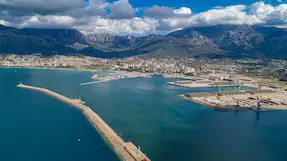
Bar
Open the city guide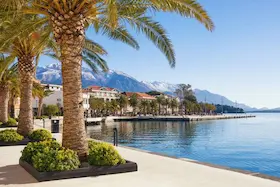
Tivat
Open the city guide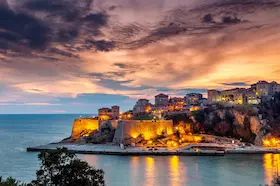
Ulcinj
Open the city guide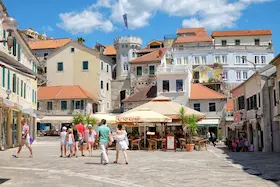
Herceg Novi
Open the city guide
Igalo
Open the city guide
Zabljak
Open the city guideStories from Other Cities
Plan travel beyond Podgorica with information on Montenegro's coast, mountains, airports, and practical details for the rest of the country.
