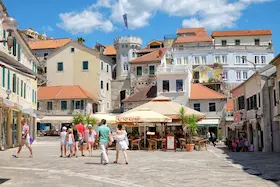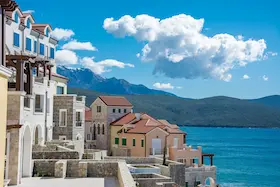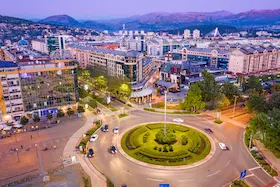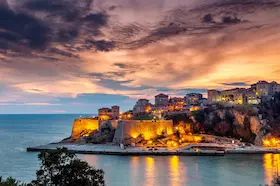
Town and surroundings

Hidden gems in Budva and the surrounding area

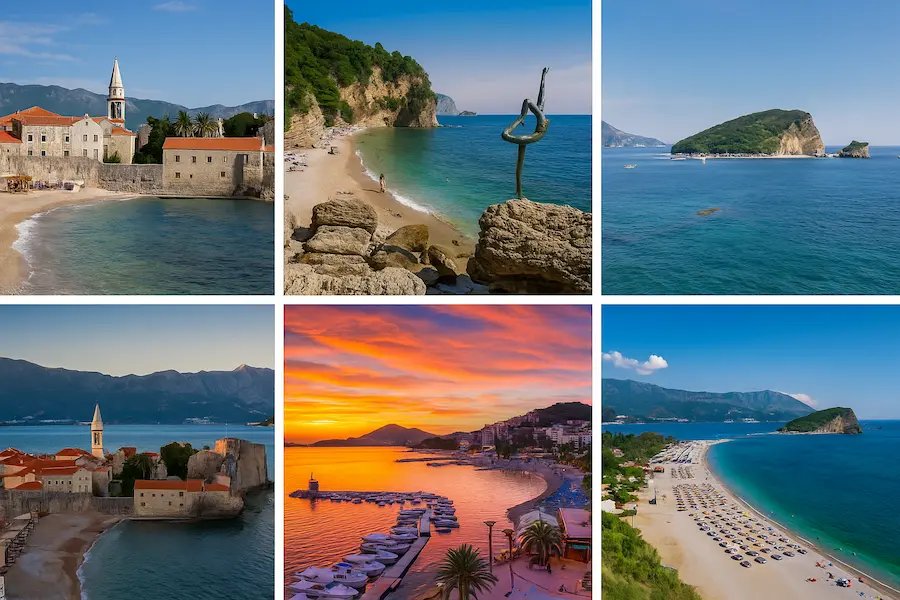
In Budva, a Roman altar still stands where it was discovered, on a small square among stone houses. Its inscription is now barely legible. According to the Budva museum's interpretation, it was used for liquid offerings, usually wine. Behind the densely built coastal town, the ground rises sharply: the routes to old monasteries and abandoned fortifications are different from those leading to the beaches.

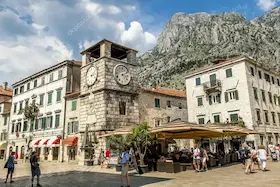
Budva's Old Town and coast
AuthorHire And Travel Editorial TeamLast updated

The guide was prepared through research into lesser-known places in Budva and the surrounding area. The content was reviewed, confirmed and verified by Milovan Johnson on 8 October 2026.

Locations

Hidden gems in town and the surrounding area

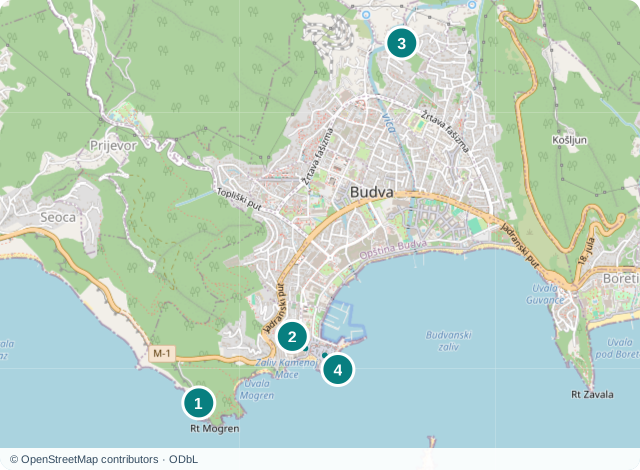
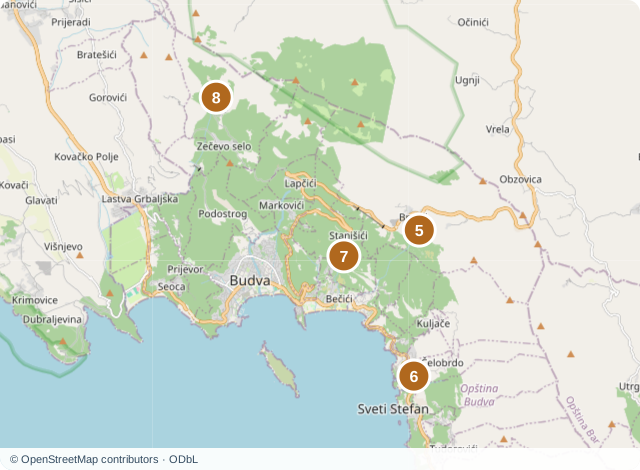
Four places in Budva and on the edge of town appear on the detailed map, with four in the surrounding area on the wider map. All are within Budva municipality. The numbers connect the maps to the descriptions. Markers show buildings or areas. They do not confirm entrances, parking or the start of a path.

The town, the hills and routes from the hinterland

The Budva Riviera continues along the coast towards Becici and Milocer, while streets climb north from the town into Maine. Brajici lies on the road towards Cetinje. Pobori is another settlement in the hinterland.

01
Mogren Fortress on Spas hill

Mogren Fortress on Spas hill

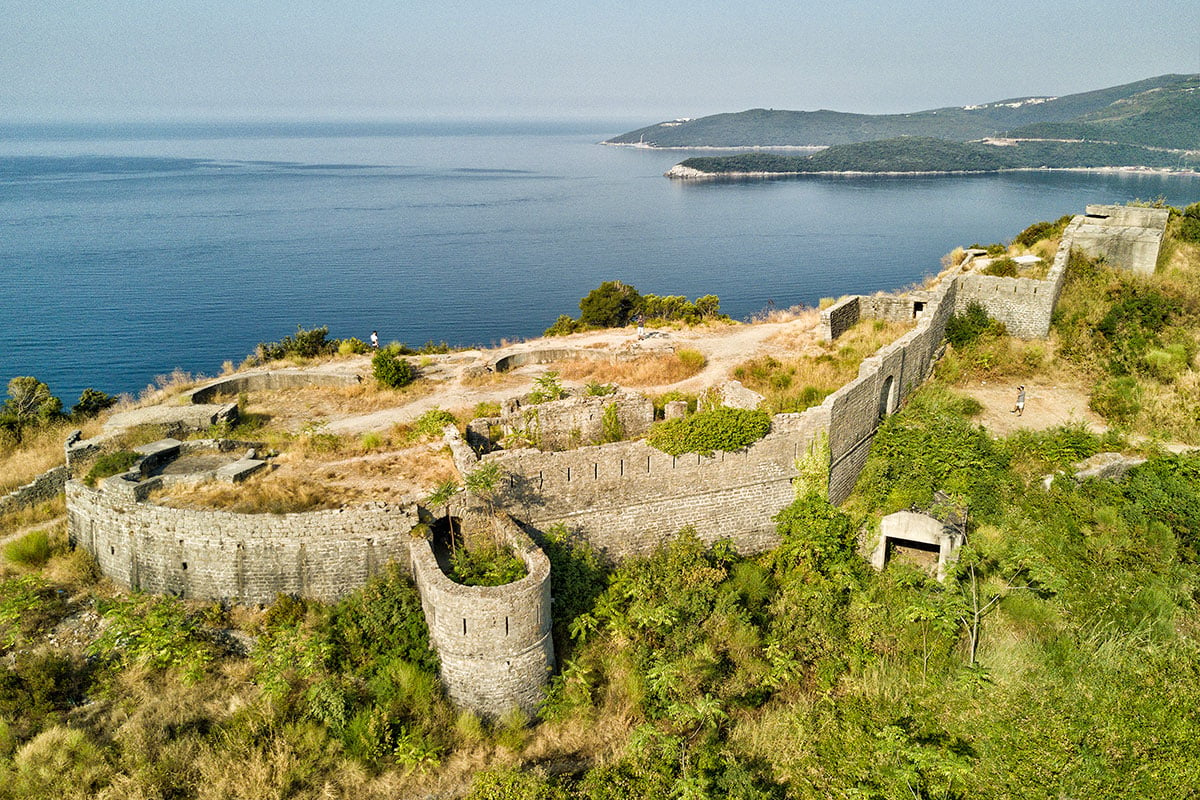
Stone remains of Mogren Fortress on Spas hill and the coast towards Jaz

Above the western side of Budva, on a spur of Spas hill between Mogren and Jaz beaches, stand the remains of a fortress built by the Austrian army in 1860. Its stone walls and passages are not part of the seaside path: the approach is from the road on higher ground. The name Mogren can be misleading, as the beach is below the cliffs while the fortification stands on the hill. From here you can see the coast that its former garrison watched over.

The fortification was originally called Jaz and guarded the western approaches to Budva. The military complex contained quarters for the garrison, a kitchen, storerooms and a cistern. Today, the remaining walls and the layout of some rooms are visible on site. There is no museum display explaining the use of each surviving part.

The fortress has suffered damage and has been closed for restoration. Performances were later held there, and the tourist organisation operated a seasonal information office beside the fortress. However, no regular opening hours have been published for independent visits to all parts of the site. Before going, ask Budva Tourist Organisation about current access, and stay out of damaged areas unless it has been explicitly confirmed that they are open to visitors. The fortress's location on Google Maps.

02
The ancient necropolis near Avala

The ancient necropolis near Avala

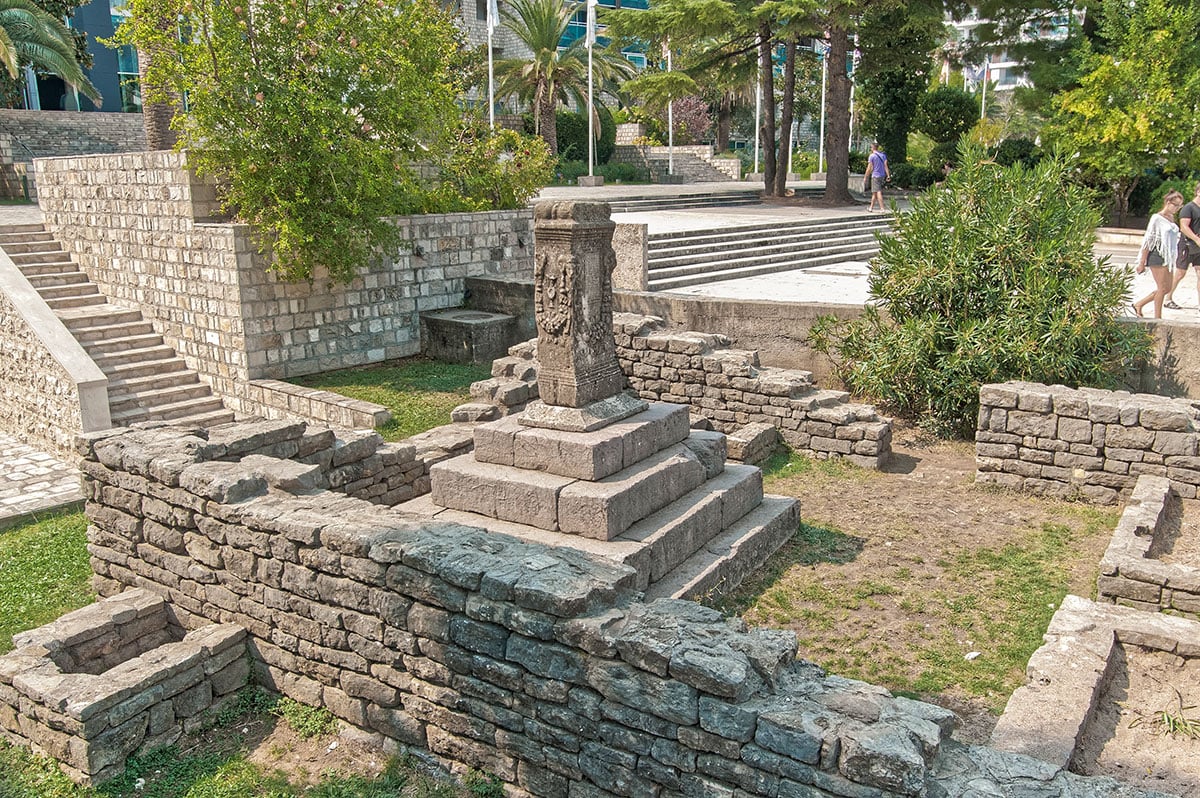
Walls of the necropolis near Avala with a stone funerary stele

Just outside the western side of the Old Town, near Hotel Avala, you can see the low walls of the Roman phase of Budva's necropolis. Among them stands a stone stele, a grave marker over a metre tall, carved with garlands of leaves and flowers supported by rams' heads on either side. Here you are looking at the burial site itself, while many objects found in the graves are kept in the town museum.

The cemetery was discovered in 1938 while the hotel's foundations were being dug. The older graves date from the Illyrian-Greek period, and the later ones are Roman. The Budva museum states that the site remained in use until the early Middle Ages.

You can look at the remains while exploring the area around the Old Town, but permission to enter the excavations themselves has not been confirmed. For this point on the map, look for the necropolis near Avala. The Budva Town Museum is on a street inside the Old Town walls and holds some of the finds, so do not confuse the two addresses.

03
Podostrog Monastery above the Budva plain
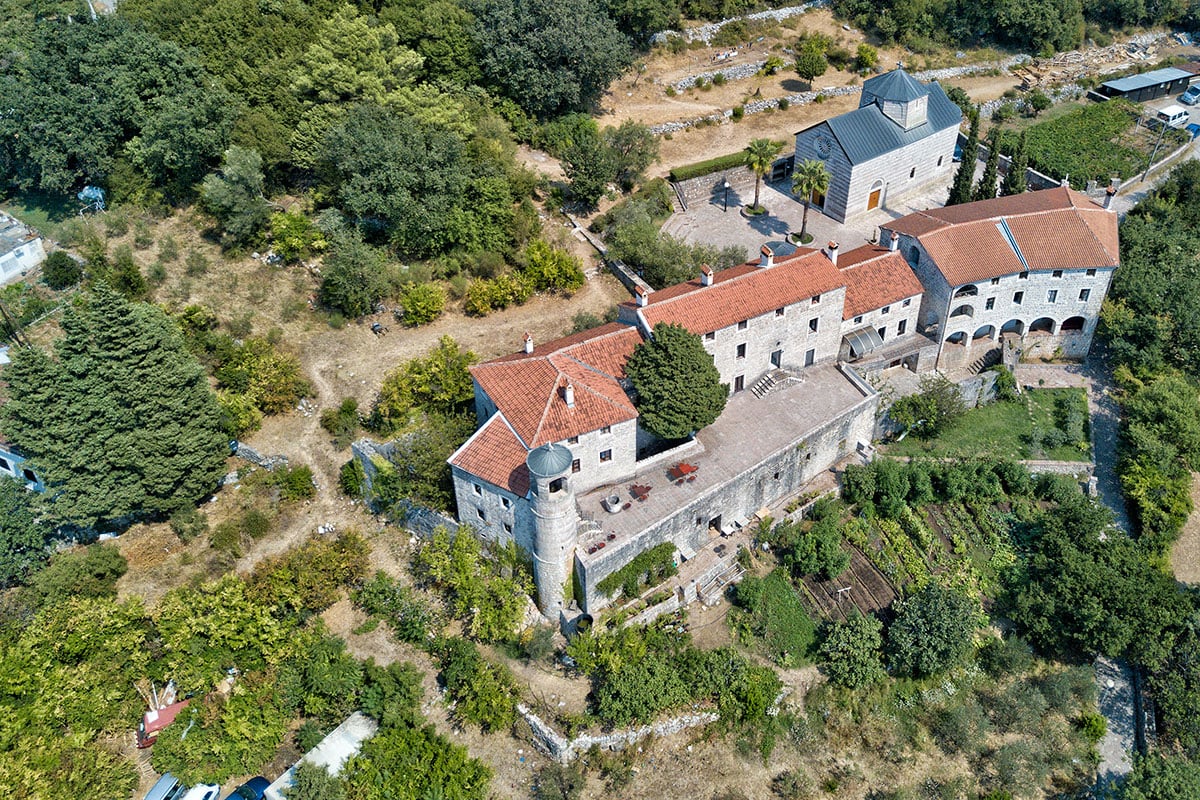
Podostrog Monastery above the Budva plain

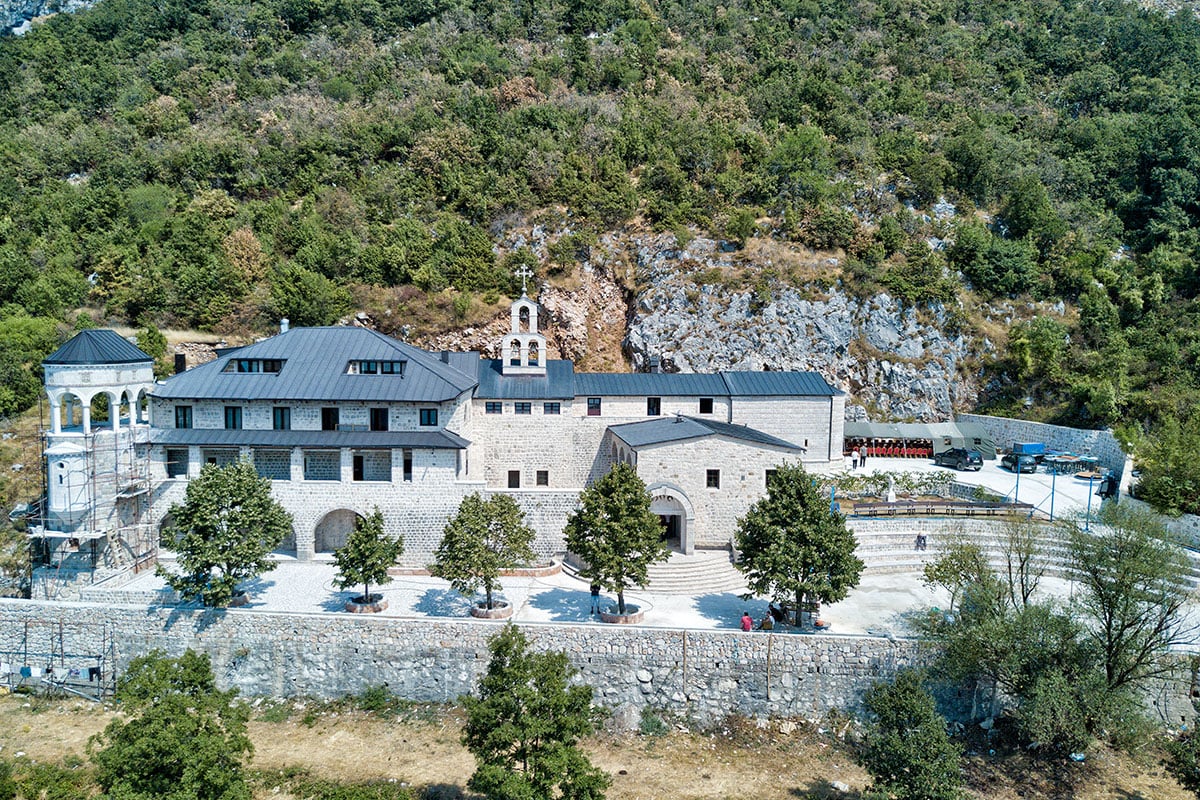
Aerial view of upper Podostrog Monastery with two churches and a terrace

Beyond the northern part of Budva, on a rise above the plain, stands a monastery complex with two churches and stone monastic quarters. The smaller church is in the older part of the complex, while the larger one was built in the 18th century. In front of the buildings is a terrace with a bistijerna (water cistern) and a view over Budva Bay. Streets through Maine climb to this site, well away from the seafront promenade.

Traces of 17th-century frescoes survive in the smaller church. Podostrog also served as a residence for Montenegro's metropolitan bishops: Bishop Danilo died here in 1735, while Njegos wrote 'Svobodijada' and parts of 'Gorski vijenac' during his stays.

On maps, this upper complex is also often called Podmaine or Maine. The Budva museum also uses the name Podmaine for a lower site with the Church of Sveta Petka. If you are looking for the two churches and the terrace, head for upper Podostrog. A monastic community lives here. For entry to the churches and visits during religious services, check the published monastery contact details, as confirmed tourist opening hours have not been published.

04
The altar of Vinicia Pavlina in the Old Town
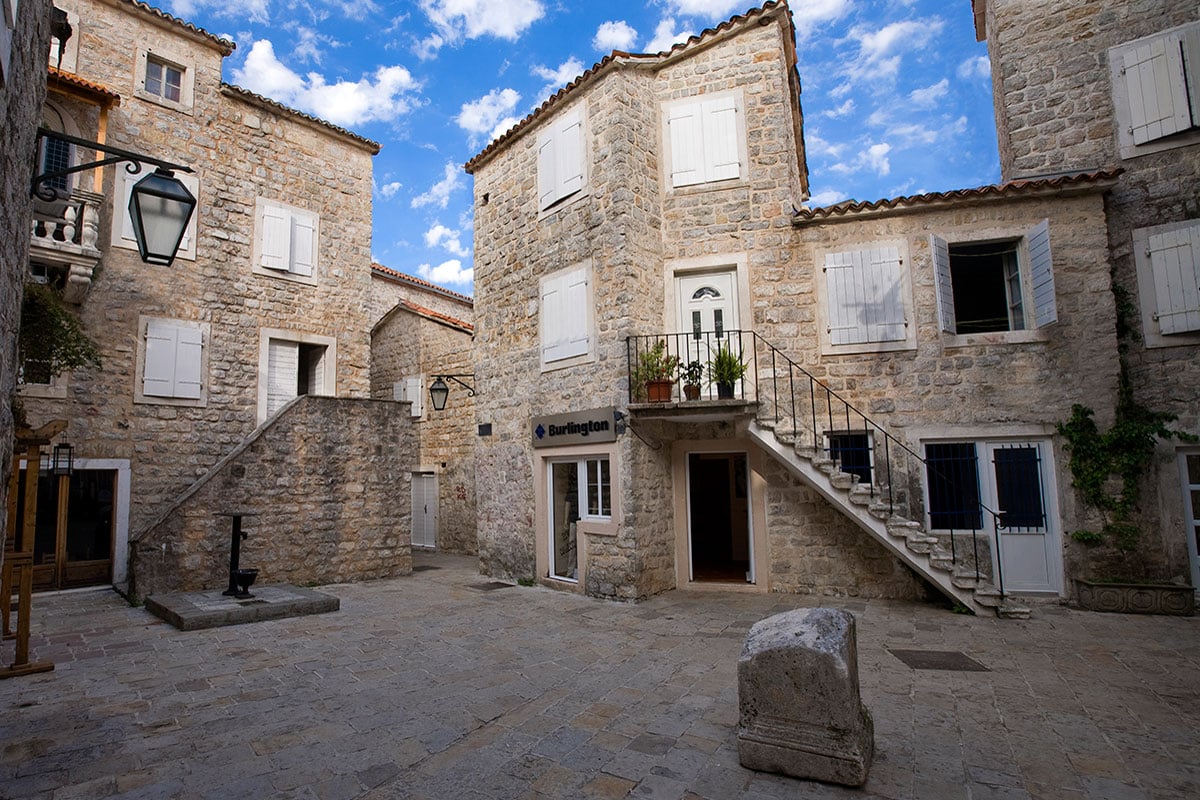
The altar of Vinicia Pavlina in the Old Town

The Roman altar of Vinicia Pavlina on a small square among houses

On a small square in front of the Cekrdekovic house stands a square stone altar. The inscription 'Vinicia Pavlina' is so worn that it is barely legible. The object was discovered after the 1979 earthquake and left where it was found, rather than moved to a museum. The low stone altar is easy to overlook among the surrounding houses.

The Budva museum dates the altar to the first or second century AD and explains that it was used for liquid offerings to a Roman deity, usually wine. The name on the stone preserves a trace of one person, but the sources do not describe her life or identify the deity for whom the offering was intended.

The altar stands on an open square, where Budva Tourist Organisation has provided an explanation as part of the town's cultural signage. The map pin leads to the stone itself. The necropolis near Avala is a different archaeological site outside the walls: there you find the remains of graves, while here the object relates to a Roman ritual within the Old Town.

05
Kosmac Fortress above Brajici

Kosmac Fortress above Brajici

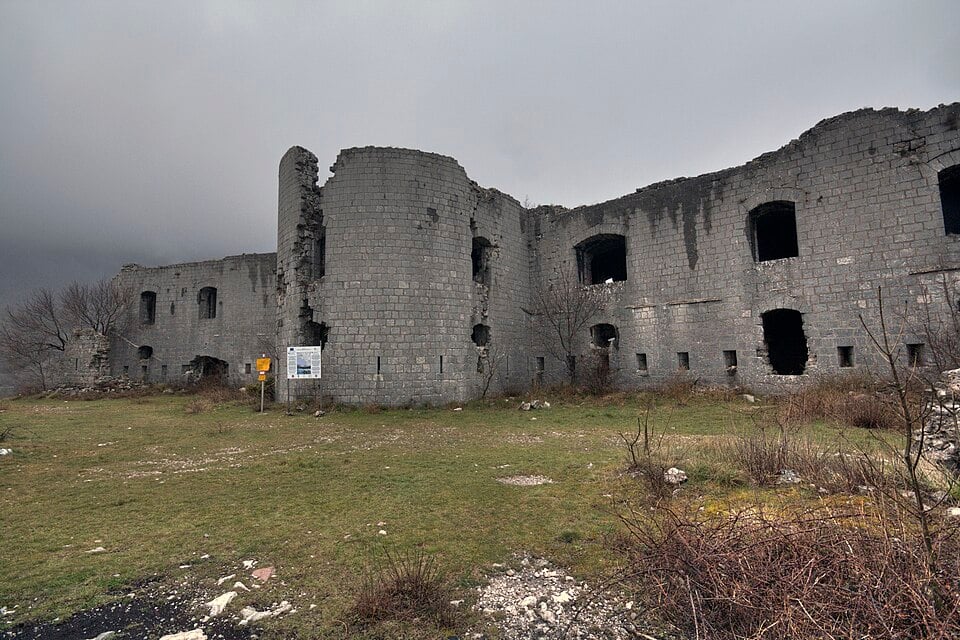
Walls and openings of Kosmac Fortress, whose roof has not survived

Above the road between Budva and Cetinje, on a rise near Brajici, stands a large stone building with no roof. Its rows of openings are visible from a distance, while up close the extent of the interior's decay becomes clear: little remains of the former military building beyond its outer shell. From the rise, the road, hills and coast are all visible, explaining the site's value to troops watching over the route.

The Austrian army built Kosmac in the mid-19th century as a border fortification along the route inland. Its massive form, almost like barracks, sets it apart from the Old Town walls and Mogren Fortress on Spas.

Budva Tourist Organisation has included Kosmac in guided walks through the hinterland. An independent visit requires a separate trip towards Brajici, followed by a walk to the fortress. Collapsed floors and stairways make entering the ruins risky. You can appreciate the view and the fortress from outside. The Google Maps pin marks the building itself, rather than the wider Kosmac area.

06
Jegorov put from Praskvica towards Celobrdo
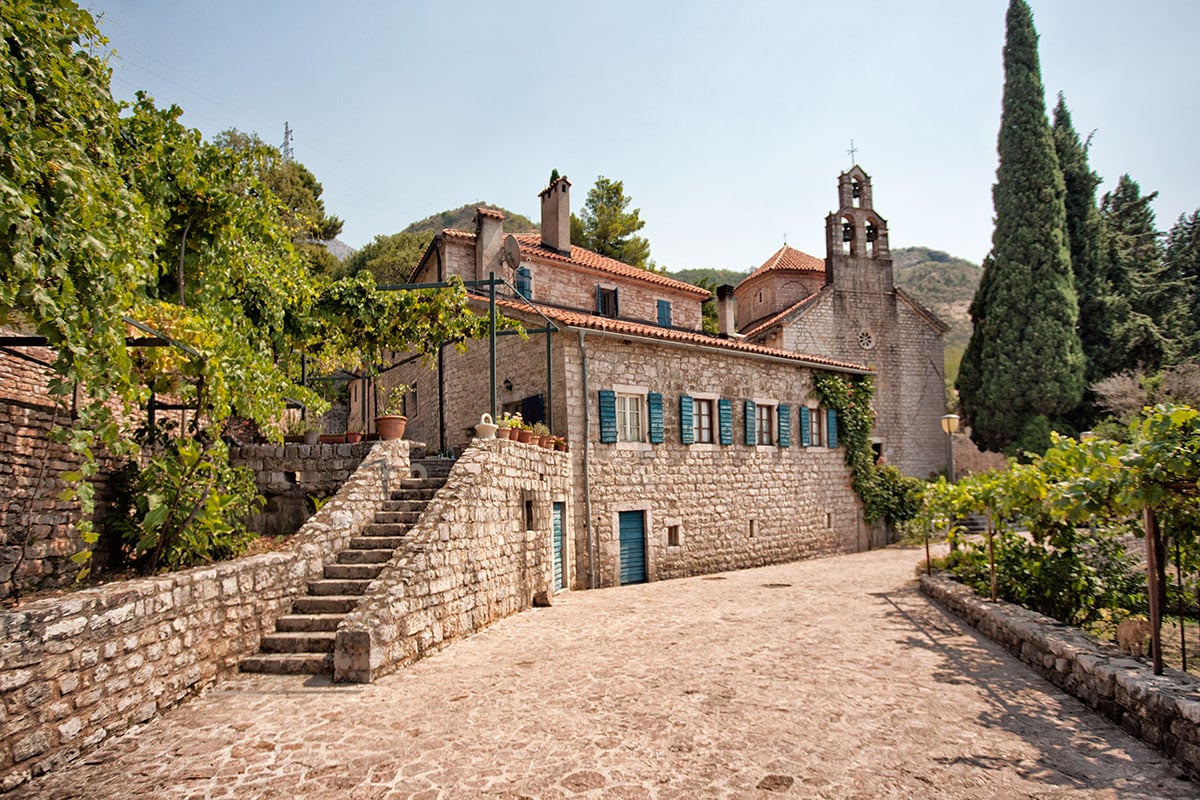
Jegorov put from Praskvica towards Celobrdo

Stone buildings and courtyard of Praskvica Monastery beside the lower part of Jegorov put

The stone steps of Jegorov put climb from Praskvica Monastery, above Milocer, towards Celobrdo. The monastery remains below you as you climb, and the coast is visible from the higher sections of the path. The steps lead up a steep hillside. The road to Celobrdo follows a different route.

The path's name is linked to a legend about Jegor Stroganov, a Russian monk from Praskvica. Budva Tourist Organisation recounts the story that the monk, who had only one arm, spent ten years carving steps into the rock.

Google Maps marks Praskvica Monastery and Jegorov put separately. Check the condition of the path before setting off. For access to the interior of the active monastery, use the published contact details.

07
Velja maslina in Ivanovici

Velja maslina in Ivanovici

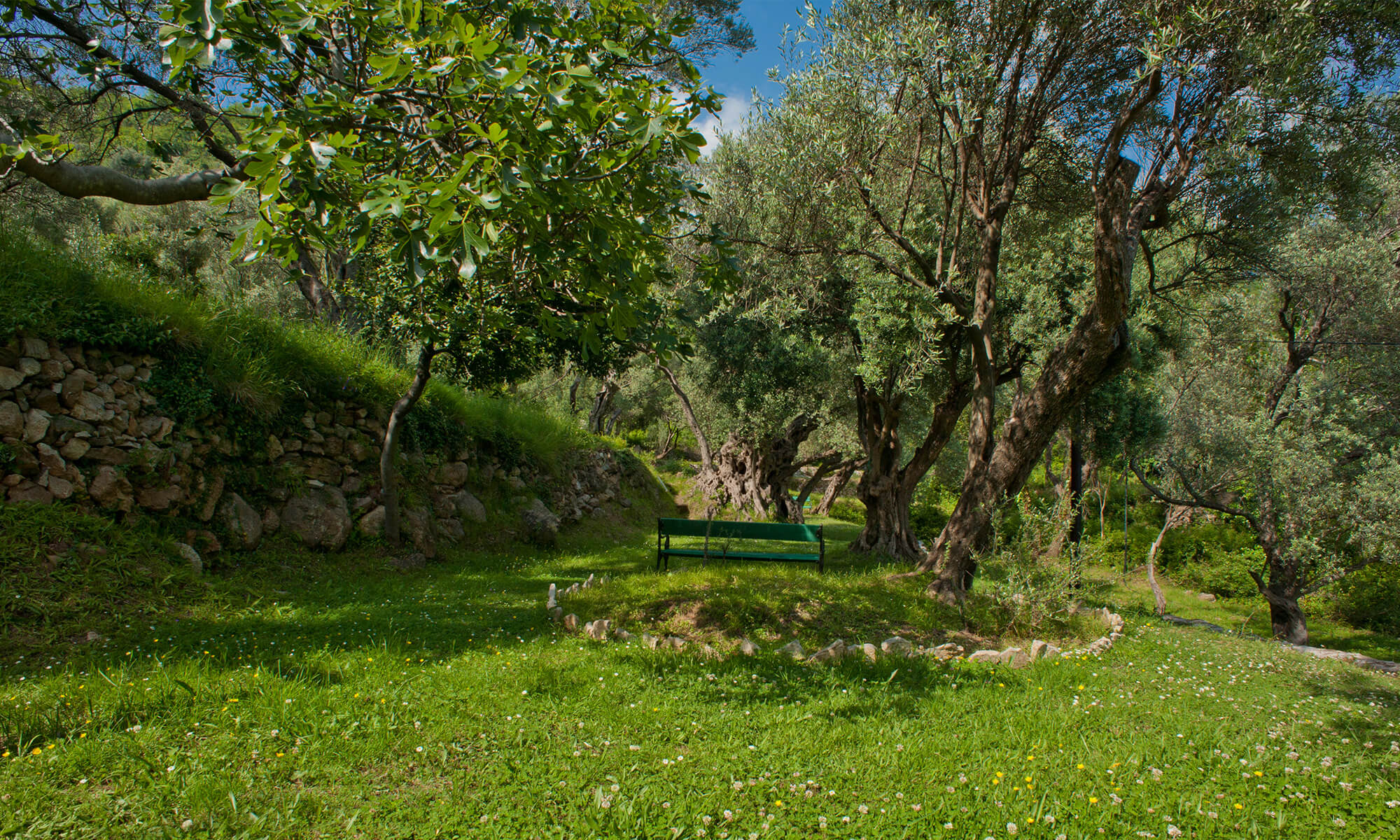
The broad, deeply ridged trunk of Velja maslina in Ivanovici

Above Becici, in the village of Ivanovici, grows an olive tree with a broad, deeply ridged trunk. The tourist organisation gives its circumference at the base as 12.5 metres and identifies it as the local zutica variety. The tree still bears fruit. Its age of around two thousand years is an estimate in the tourist description, not an exact planting date.

The olive tree stands on the Ivanovic family's property and has been protected as a natural monument since 1994. Local reports describe the family welcoming visitors to the tree, but this does not mean the property is open without restriction every day.

The tourist organisation describes the route from Becici, with a turn near Hotel Splendid and a final stretch along a stone path. The Google Maps pin marks the tree, rather than nearby accommodation with a similar name. Before making a separate trip, ask Budva Tourist Organisation about access to the family's property. No current regular opening hours were found in published information.

08
Stanjevici Monastery above Pobori

Stanjevici Monastery above Pobori

The stone Stanjevici complex with monastic quarters, a bell tower and a terrace

High above the village of Pobori, north of Budva, Stanjevici looks at first like a stone fortress. The long complex has a side tower, vaulted ground-floor passages, monastic quarters and a separate bell tower. This design helps explain how the site could serve both a monastic community and the military at different times.

After the destruction of Cetinje Monastery in 1714, Bishop Danilo stayed at Stanjevici, and the complex subsequently became an important seat of Montenegro's metropolitan bishops. Here, in 1798, an assembly of chiefs adopted part of Montenegro's early legal code. In the 19th century, the Austrian authorities converted the monastery into a fortification. It later suffered extensive damage, and restoration began in the late 20th century.

Stanjevici is within Budva municipality, but visiting it requires a separate trip towards Pobori rather than a continuation of a walk around town. The monastery is active and holds religious services. The tourist organisation has documented an organised visit, but regular tourist opening hours have not been confirmed. For visiting the monastery and entering the church, use the published monastery contact details. Stanjevici's location on Google Maps.

Planning your visitA short visit in town or a trip uphill
By the old wallsAncient remains without a trip inland

The necropolis near Avala and the altar in the Old Town fit into a visit around the town centre. Neither requires a separate journey to a village or into the hills.

The edge of townClimbing through a neighbourhood or approaching from above the coast

Podostrog stands above Maine, and Mogren Fortress is on Spas. Both are places to visit in town, but neither is reached by simply continuing along the flat seafront promenade.

The surrounding areaBrajici, Pobori or the slopes above the Riviera

Reaching Kosmac and Stanjevici means heading into the hilly hinterland in different directions. Velja maslina is above Becici, while Jegorov put is above Milocer.

Different locations

The same name can lead to a different place

01
Mogren Beach and Mogren Fortress

Searching simply for 'Mogren' may bring up the beach. For the fortification, search for 'Mogren Fortress': you are looking for the hilltop on Spas, rather than the stone coastal path from Avala. These are two different locations on the map.

02
Upper Podostrog and the lower Sveta Petka site

Podmaine is also used as a name for the upper monastery, while the museum's account uses it for a different site lower down. The pin for the upper complex with two churches shows where you need to go, so you do not have to rely on the name alone in a search.

More about these places

Finds from the graves and an olive tree that still bears fruit

Archaeology
Objects from the necropolis are kept elsewhere

The Museums and Galleries of Budva list more than 4,000 archaeological finds from the necropolis, with around 2,500 objects in the Town Museum's collection. These figures indicate the scale of the surviving material, rather than how many objects you will see in a single display.

A living tree
Velja maslina still produces olives

The tourist organisation states that, in a year with a full crop, Velja maslina can produce around 250 kilograms of fruit, yielding approximately 40 litres of oil.
Questions about lesser-known places

Which places can I visit without a car?

The necropolis and the altar are close to the town centre. You can walk uphill from Budva's built-up area to Podostrog. Mogren Fortress requires a separate approach from higher up the hill. Brajici, Ivanovici, Praskvica and Pobori each require a trip out of Budva and a check of the final approach to the site. A regular bus service to each of these places has not been confirmed. That does not rule out public transport to a nearby settlement. General information on arriving and getting around is covered in practical information for Budva.

Can I visit Podostrog, Praskvica and Stanjevici without arranging a visit in advance?

These are active monasteries, so reaching the complex does not guarantee entry to the church or monastic quarters. If seeing the interior is your main reason for visiting, contact the monastery itself through the published contacts of the Metropolitanate to clarify when and whether you can enter. Religious services follow their own schedule, which is not a set of tourist opening hours.

Which of these places suits someone who finds walking uphill difficult?

The necropolis near Avala and the altar are close to the town centre, without a trip up a hill. This does not confirm wheelchair access: stone paving and kerbs can make the approach difficult. Podostrog and Mogren Fortress involve a climb. Jegorov put consists of steps up a hillside, and the ground around Kosmac is uneven. Before making a separate trip, check the final approach to the site itself. Reaching the area by car does not remove the steps or uneven path leading to the place you want to see.

A car for visiting Budva's hinterlandCompare car hire offers in Budva and vehicle collection terms for trips outside town.
Search for cars
Continue with the Budva guides
Guides to popular destinations

City guides for nearby destinations

Hidden gems in nearby towns

Travel around MontenegroContinue with the Montenegro guide

Build a broader Montenegro plan around suitable coastal and mountain bases, then check the airport, parking and road time connecting them.