01The dishes most clearly tied to Ulcinj
Start by separating local food from the wider coastal menu, then discover okra as the city’s most important protected speciality.
The dishes most clearly tied to Ulcinj
Start by separating local food from the wider coastal menu, then discover okra as the city’s most important protected speciality.
What is truly from Ulcinj and what belongs to the wider coast
Ulcinj-style okra, japrak, riba kapama, eel with rice, gurabije, sarajlija and products made from Žutica olives have strong ties to Ulcinj and its immediate surroundings. Sea bream, sea bass, squid, mussels in buzara sauce and black risotto belong to the wider Adriatic kitchen. Kačamak, cicvara, Njeguši prosciutto and meat cooked under a sač come from other parts of Montenegro, although they often appear on Ulcinj menus. Burek, ćevapi and pizza are everyday Balkan food, but they do not explain Ulcinj cuisine on their own.
Ulcinj-style okra
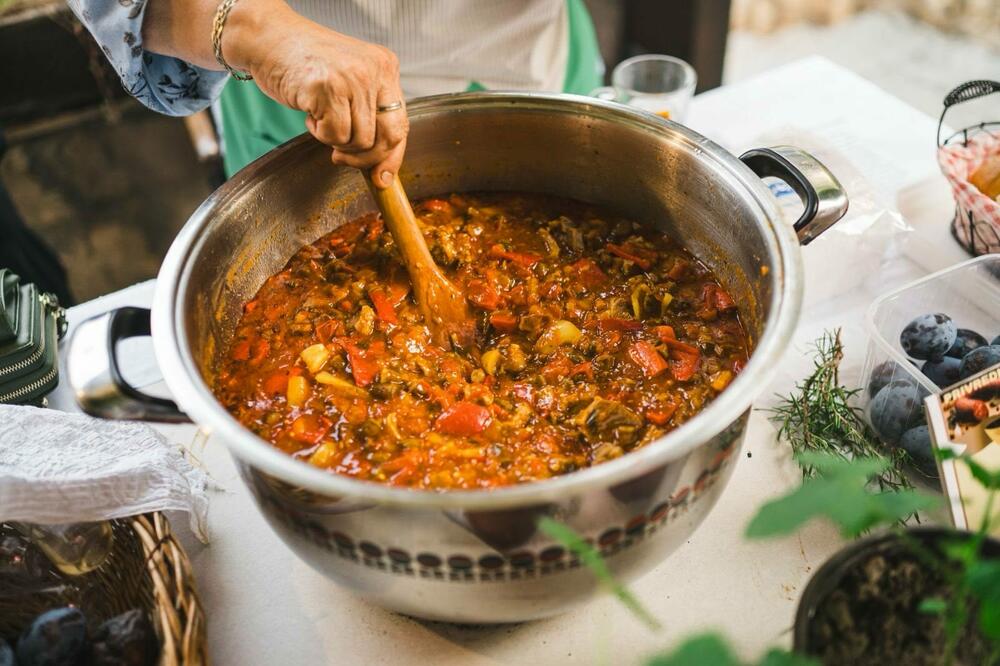
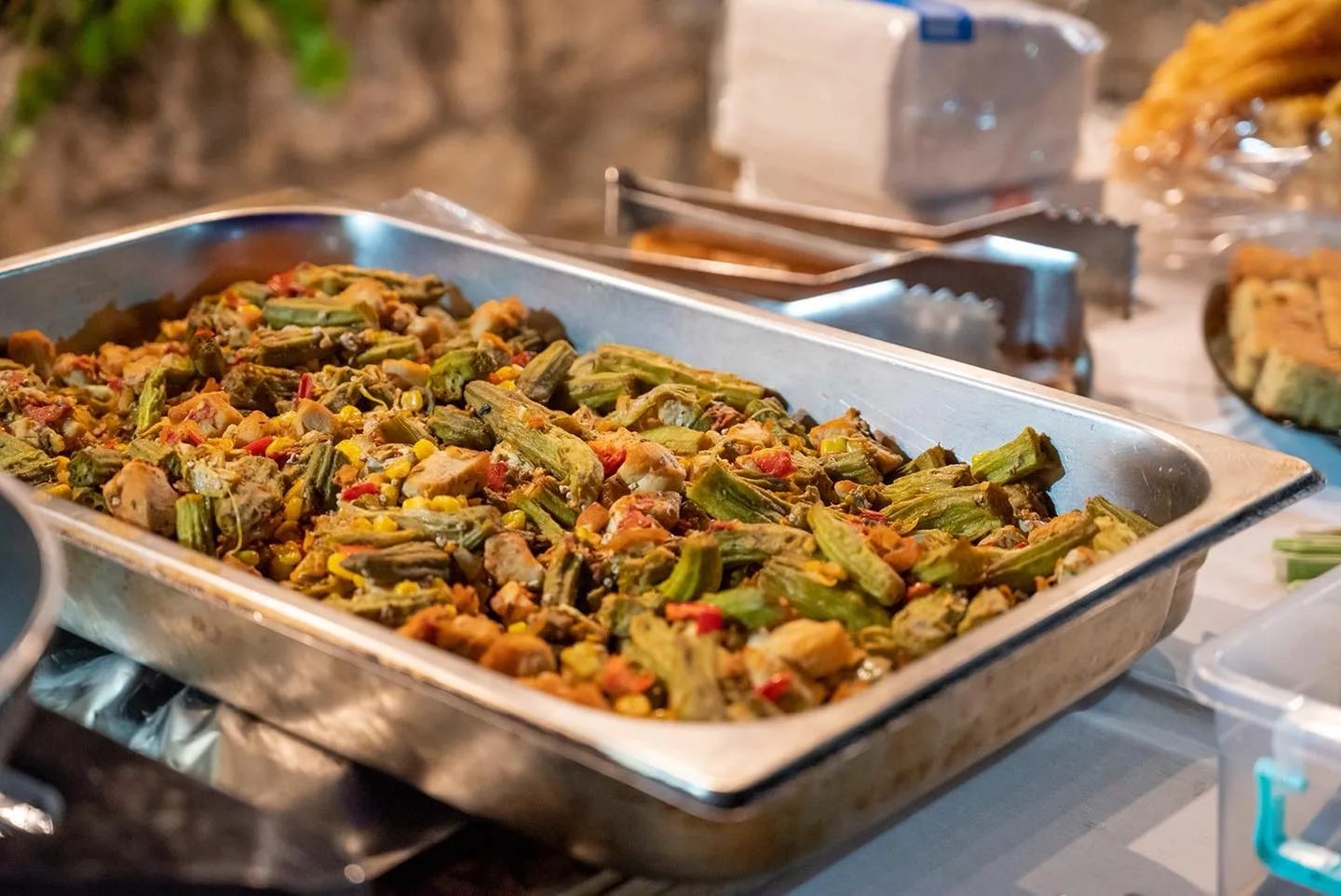
Ulcinj-style okra is registered in Montenegro as a Guaranteed Traditional Speciality and is the best-known dish of the local kitchen. Young pods are briefly fried, layered with beef, onion, tomato and spices, then finished in the oven. The result is a substantial main course in which the okra keeps its shape and the sauce takes on the flavour of meat and tomato. Fresh okra is seasonal, making summer and early autumn the best time to order it.
What makes Ulcinj okra different from a stew
The distinction lies in the preparation as much as in the okra itself. The pods are cleaned without damaging them, briefly cooked on their own and only then layered with the meat sauce. They stay whole and retain a tender bite and mild okra flavour instead of dissolving into the sauce. Look for the full name “Ulcinj-style okra” because meat-free okra or another regional version may follow a different method.
02Japrak, the sea and the Bojana
Stuffed vegetables reflect Albanian and Ottoman influences, while sea fish and fish from the Bojana are prepared in different ways.
Japrak, the sea and the Bojana
Stuffed vegetables reflect Albanian and Ottoman influences, while sea fish and fish from the Bojana are prepared in different ways.
Japrak, dolma and vegetables with sour milk
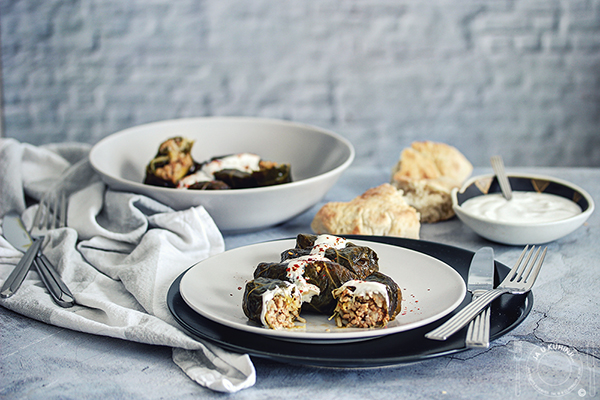
Ulcinj japrak wraps young vine leaves around meat, rice, onion and spices, then cooks them slowly until the leaves soften. Dolma uses a similar method with peppers, onions and other vegetables. Aubergine appears in sauce, filled with cheese, cooked with eggs or served with sour milk and garlic. These dishes show how Ottoman and Albanian traditions shaped the food of Ulcinj. Japrak and dolma may be made without meat, but ask about the filling because traditional versions often contain it.
Sea fish and freshwater fish are cooked differently
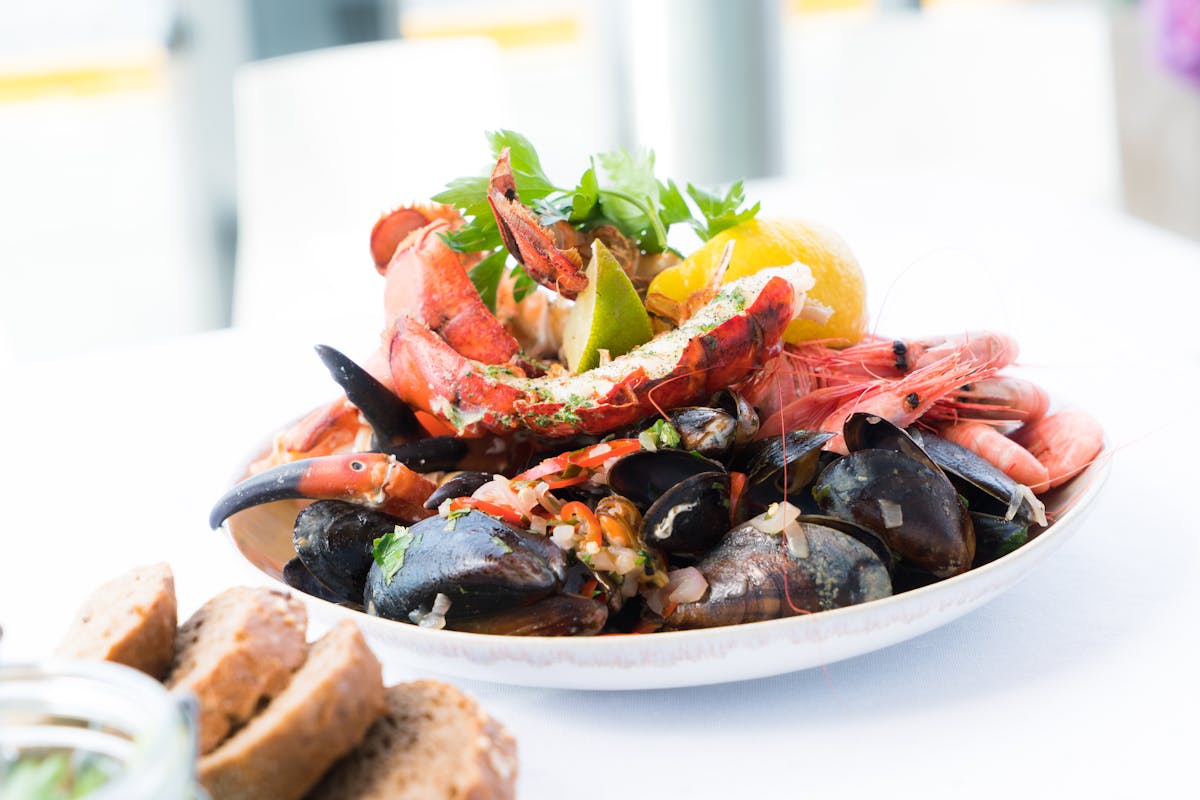
Sea bream, sea bass, dentex, red mullet, squid, cuttlefish and mussels come from the coast and are usually grilled, cooked in buzara or folded into risotto. Eel, carp and other freshwater fish from the Bojana and Lake Šas are cooked more slowly, often with rice and fuller sauces. Fresh catch, olive oil and lemon are what matter most with grilled sea fish. Eel with rice, riba kapama and carp in sauce reveal another part of the local kitchen and give Ulcinj far more than a standard coastal fish menu.
Eel with rice, riba kapama and carp in sauce
Eel with rice is baked with onion, tomato and spices, while the rice absorbs the fish juices. Riba kapama cooks in an onion and vegetable sauce, making it richer than fish from the grill. Carp in sauce represents the freshwater side of the table, while smaller fish may be fried or baked in a pan. These dishes are not permanent fixtures in every restaurant, so look for them among the daily and local dishes and choose by preparation rather than fish name alone.
03Olives, pies and seasonal produce
Žutica olives and oil connect fish with vegetables, while pies, tarhana and fruit explain everyday and seasonal cooking.
Olives, pies and seasonal produce
Žutica olives and oil connect fish with vegetables, while pies, tarhana and fruit explain everyday and seasonal cooking.
Žutica olives and oil from the Ulcinj groves
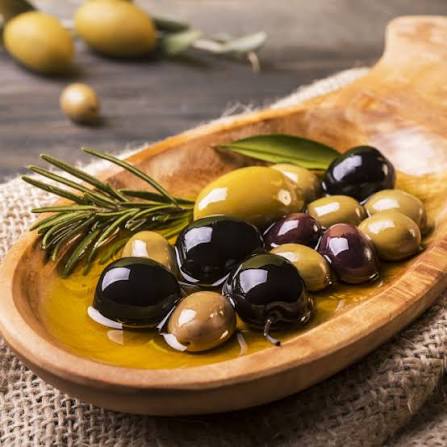
Žutica is the traditional olive variety of the Ulcinj region. It is eaten green or black, made into olive paste and pressed for oil. The oil is poured over grilled fish, used to season cooked vegetables and salads, and served with bread. Valdanos is the best-known olive-growing area near Ulcinj, but when buying oil, check the producer, harvest and storage information rather than relying on the place name alone. For an edible souvenir, choose a sealed bottle with a named producer, volume and use-by date.
Pies, fildžan burek, tarhana and sour milk
Pies filled with cheese, pumpkin, spinach, leek or liver belong to the older Ulcinj kitchen, while fildžan burek is a smaller local form of burek. Tarhana is dried dough made with flour and sour milk, crumbled and cooked into a thick soup. Burek with yoghurt remains a simple everyday breakfast, but it is not a uniquely Ulcinj dish. For a more local choice, ask for a homemade pie, fildžan burek or tarhana. These foods are more common in home cooking and occasional offers than on permanent restaurant menus.
Seasonal vegetables, figs, pomegranate and Ulcinj watermelon
Summer cooking uses okra, tomato, pepper, aubergine and pumpkin, while spinach, raštan and rice dishes suit the cooler part of the year. The Ulcinj region is also known for figs, pomegranates, mandarins and watermelon. Fresh fruit is best in season, while dried figs, jams, preserves and syrups are available through the rest of the year. Aubergine dishes, spinach with rice, polenta and some pies can be meat-free, although sour milk, cheese and eggs are common ingredients.
04Sweets and fruit drinks
Gurabije, sarajlija and tespidže belong to the older pastry tradition, while pomegranate, figs and May rose are used for local preserves and syrups.
Sweets and fruit drinks
Gurabije, sarajlija and tespidže belong to the older pastry tradition, while pomegranate, figs and May rose are used for local preserves and syrups.
Gurabije, sarajlija, tespidže and fruit drinks
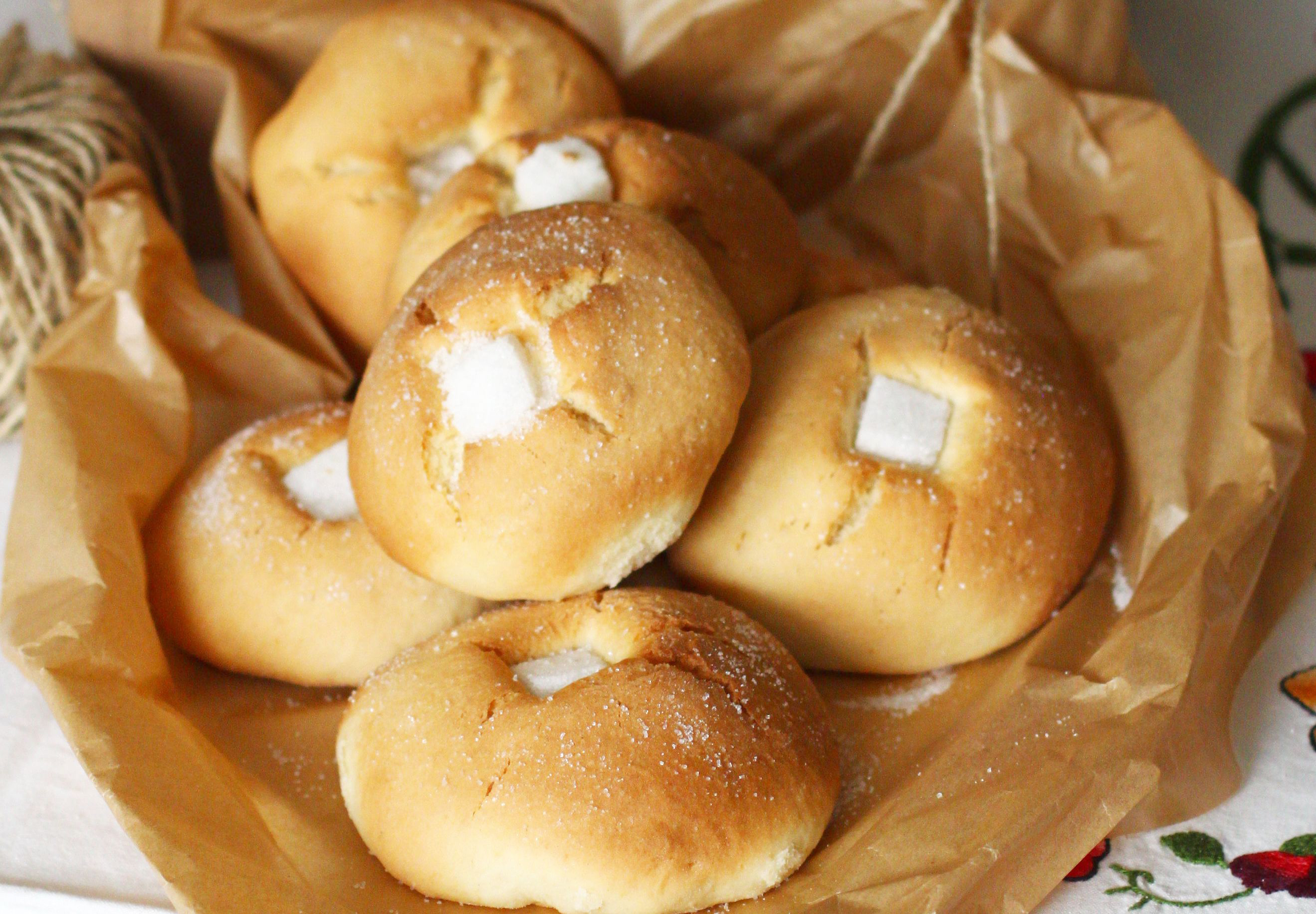
Gurabije are large crumbly biscuits made from butter, flour and sugar that are traditionally prepared to order in Ulcinj. Sarajlija layers thin pastry, walnuts and syrup, while tespidže are dense syrup-soaked cakes. Baklava, kadaif, tulumbe and rice pudding are widespread across the region and are also common in Ulcinj pastry shops. Fig and mulberry jam, quince preserve, wild pomegranate syrup and May rose juice have a stronger local connection. If this is your first Ulcinj dessert, begin with gurabija or sarajlija and add a homemade fruit drink when the producer is clearly identified.
Before booking, compare the hire price, deposit terms, luggage space and exact collection location.
Ulcinj-style okra reflects the town’s heritage, sea and river fish its position between the Adriatic and the Bojana, and pies and gurabije its family cooking.
Long cooking brings the vegetables and meat together in a thick dish distinct from a simple okra stew.
Sea fish usually stays simple, while eel with rice and riba kapama gain onion, vegetables and a fuller sauce.
Fresh okra belongs to summer and early autumn, while some pies and traditional sweets are more often made at home or for special occasions.
Four details that distinguish Ulcinj dishes
The full dish name, source of the fish, season and cooking method reveal whether you have chosen a local speciality or a general coastal dish.
Ulcinj-style okra combines okra, beef, onion and tomato prepared according to the local method.
Sea bream and sea bass are usually grilled, while eel and carp from the Bojana are cooked with rice, onion, vegetables or sauce.
Fresh okra belongs to summer and early autumn, while dried figs, jams and syrups are easier to find through the rest of the year.
Gurabije and some homemade cakes are not on every permanent menu, but they can be found through traditional offers and local producers.
What local dishes cost on published menus
These prices come from currently published Ulcinj menus and are not presented as a citywide average.
One published Old Town menu lists a 300-gram serving of okra at €12 and a 200–250-gram serving of japrak at €15.
Three published Ulcinj menus list fish soup at €5–€5.50.
Published menus list grilled squid at €15–€16, while a 330-gram sea bass fillet costs €19.50.
Tespidže costs €3 on one published menu, while another lists baklava and kadaif at €5 each.